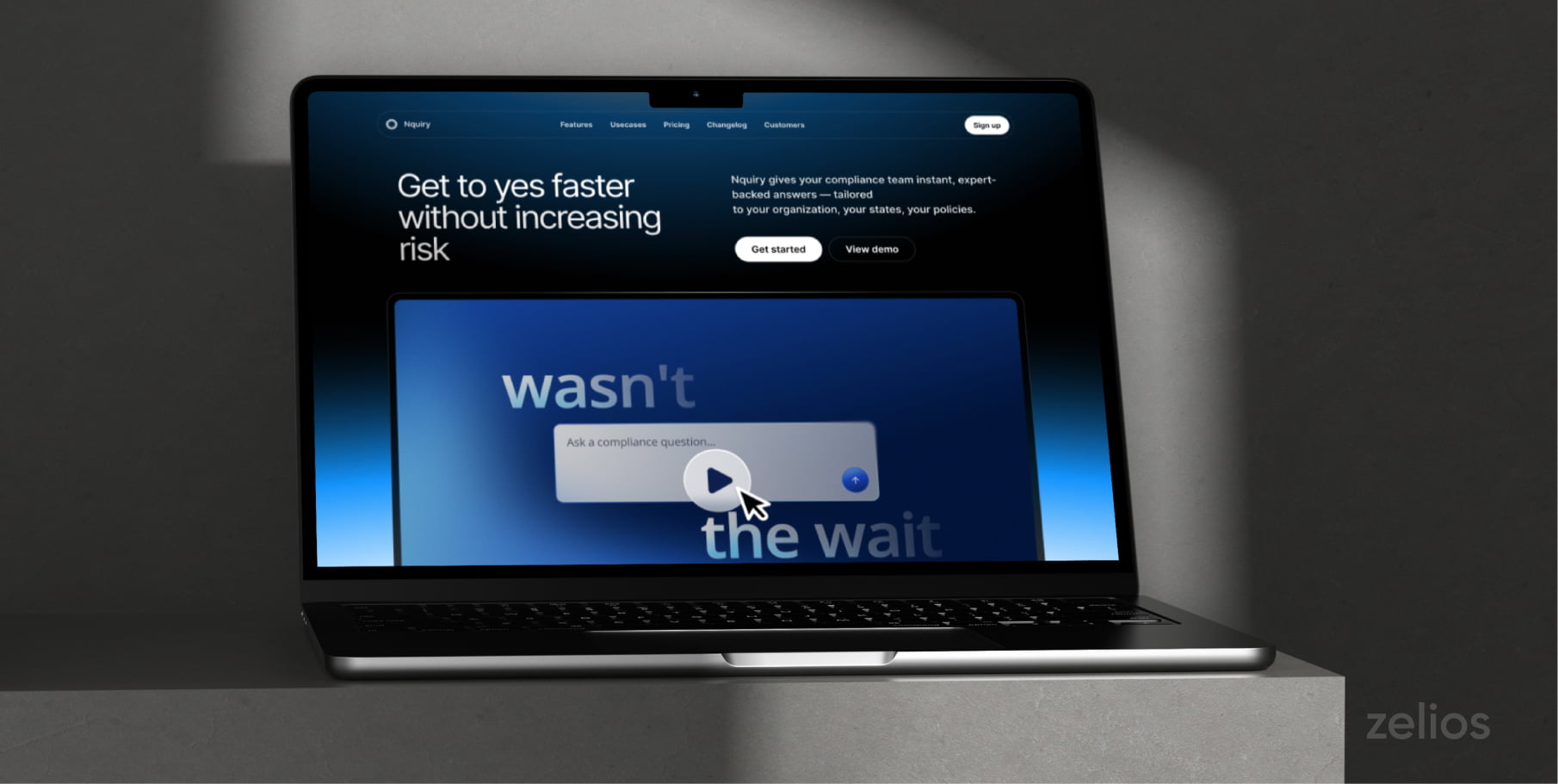

Here’s an interesting perspective. Think of the buyer’s journey as a highway. And what about your leads? Well, those would be drivers going down the highway, with many options available to them – and of course – distractions – those are everywhere as well.
Normally, your marketing has a main goal: showing that your way is the only path that makes sense for your clients, and a proven way to achieve their business goals.
Your main job in this case, is simple – but not easy: guiding them from “never heard of you before” to “damn, this is amazing – how do we start?”, with a clear and compelling journey.
And a smart video marketing funnel – is the amazing thing to help you establish yourself as the only path to success.
Here’s how your roadmap should look.
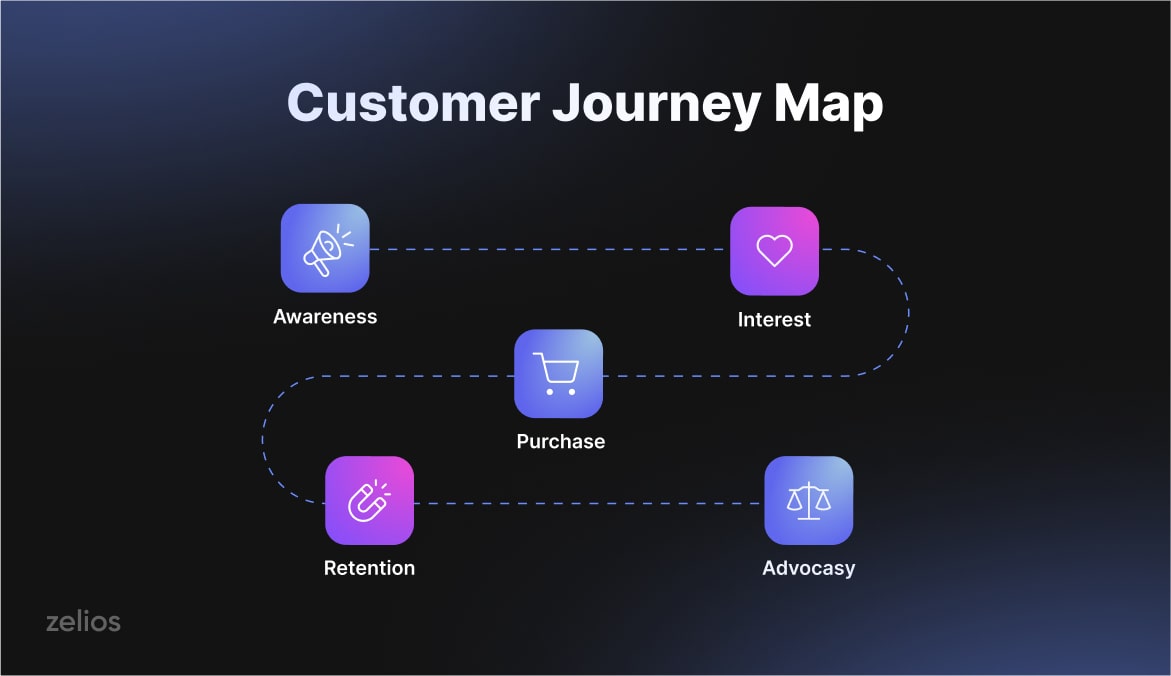
Stage 1 — Top of Funnel (TOFU): Catch Eyes
At the beginning of their roadtrip – your prospect most likely doesn’t even know that your brand exists. So you can’t sell to them yet – they might not even know that they have a problem, or even if they do – they don’t know that there’s a solution that could fix that.
Your goal is to speak directly to their problems – by calling out the main frustrations, and come in with quick punches, using short and punchy video content – preferably no longer than 60 seconds. At this stage, they are still not ready to begin their journey with you – so you should start with attracting them your way and establishing their needs.
In this case – you have a few options – short brand awareness and animated explainer videos, which you can use across socials, ads and other top of the funnel use cases. You can even share them in cold outbound emails, why not. Just make sure to keep them short and sweet – 15-30 seconds works like a charm for something like that.
Example:
Notion frequently uses animated micro videos across their socials, showing real-world use cases – and even in our example here, they are baking in a meme about IPad kids. 23 seconds in length – and amazing engagement stats with 611 likes.
It’s not selling – it’s inviting.
 Tip:
Tip: Remember – give them value, and kick start their journey with you.
Stage 2 — Middle of Funnel (MOFU): Guide Them With Clarity
Of course, once they are riding your way – help them increase the speed of getting to their final destination – which is becoming your cherished client..
But even more important than that – make sure they stay on the straight and narrow – and don’t start looking for the next exit and start engaging with your competitors, because your solution is too complicated, or lacks the supporting content.
This is where you want to introduce educational B2B video content. And there are various styles we will suggest:
– Product Walkthroughs – for hands-on, lifelike experience of using your product in day to day environments;
– Comparison videos – showing their current workflows, and how they are improved with implementation of the software;
– Use Case Explainers – showing real results produced, numbers, stats – and implementation.
All of these help them understand the route, follow it closely, and why you are clearly better and more effective than your competitors.
Example:
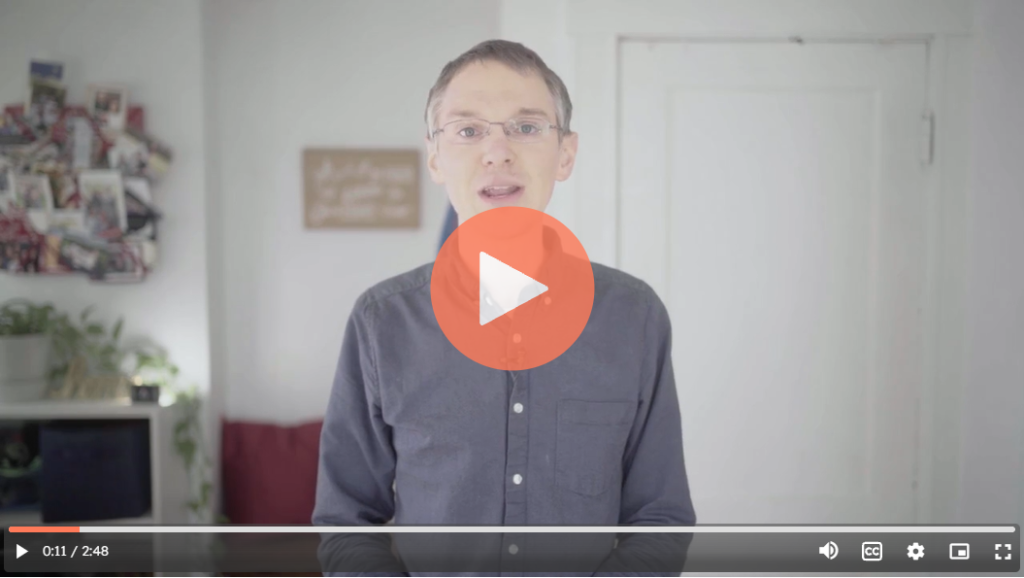
With HubSpot – the whole of their buyer journey is sprinkled with helpful explanatory content, live webinars and deep dives – as well as courses for marketing, sales and SEO.
Here’s a great example of a video tlike that from their selection.
 Tip:
Tip: This way, you have content that’s relevant to a variety of roles, pain points, industry verticals – and it just feels like the solution is built exactly for them.
Stage 3 — Bottom of Funnel (BOFU): Seal the Deal
Here’s where the trust becomes the fuel that makes them arrive towards the final destination of becoming your customer.
In this part of the journey – using testimonial or personalized B2B sales videos are the way to go. They can see the real-world applications and real-world ROI, presented as case studies of similar companies that have used your solution.
At this point – they are asking: “I have a problem, and I need to fix it – but is this the right vehicle for me?”
Example:
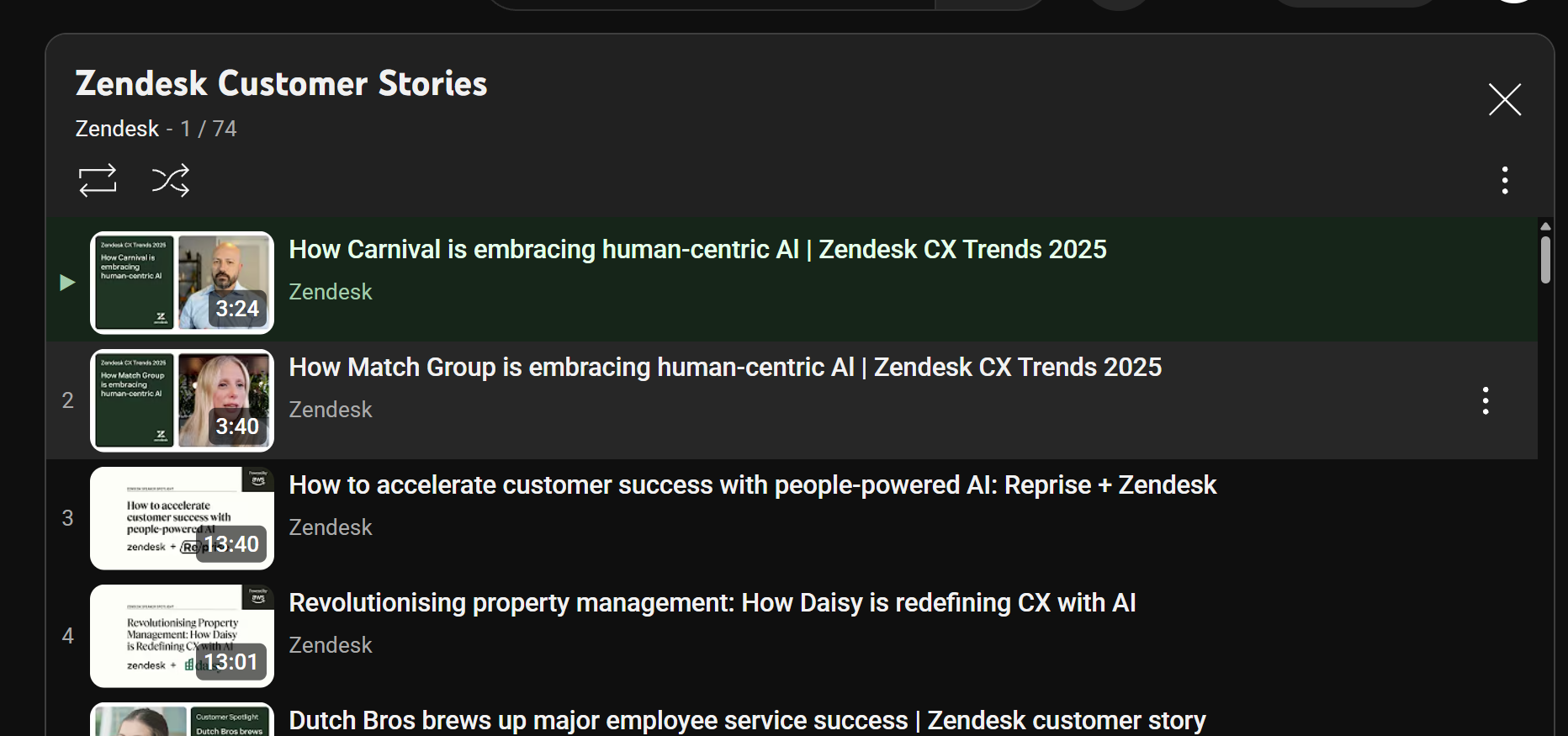
Zendesk builds a whole playlist of Customer Stories – presenting cases from different niches across SaaS, ecom, healthcare and more – so prospects can essentially visualize their steps forward.
It removes uncertainty, which kills millions of deals every year.
Tip: This is no longer engaging or educating – this comes to help with your closing needs.
Stage 4 — Post-Purchase: Turn Customers Into Co-Pilots
The deal is closed — but the journey isn’t over. In fact, this is where most video strategies go quiet right when they should be getting louder.
Customers who just bought from you are at their most engaged and most vulnerable. They need to feel immediately confident in their decision, or that post-purchase doubt — the “did I make the right call?” — starts creeping in and drives churn.
This is where onboarding videos and customer education content come in. A short, clear walkthrough of how to get started removes friction before it builds. Tutorial videos that highlight advanced features give customers a reason to stay and grow with your product.
Beyond reducing churn, post-purchase video content creates advocates — clients who share what you’ve built, who refer peers, and who show up in your testimonials naturally rather than as a forced ask.
What to use here:
- Onboarding walkthrough videos (keep them under 3 minutes, focused on the one first action that drives “aha” moments)
- Feature highlight videos delivered by email as customers grow
- Personal thank-you or check-in videos from your sales team — short, genuine, and surprisingly effective for enterprise accounts
Tip: If you already have a library of tutorial content, sequence it. Don’t dump everything into a welcome email. Build a 30-day onboarding video cadence that drip-feeds value and keeps customers actively using your product.
Bonus: Refill the Tank with Repurposed Content
What if your clients diverge from the straight and narrow? Let’s say, instead of moving fast in the direction of starting working with you – they stop at some place along the way, because they need to “think about it” and “explore other solutions”?
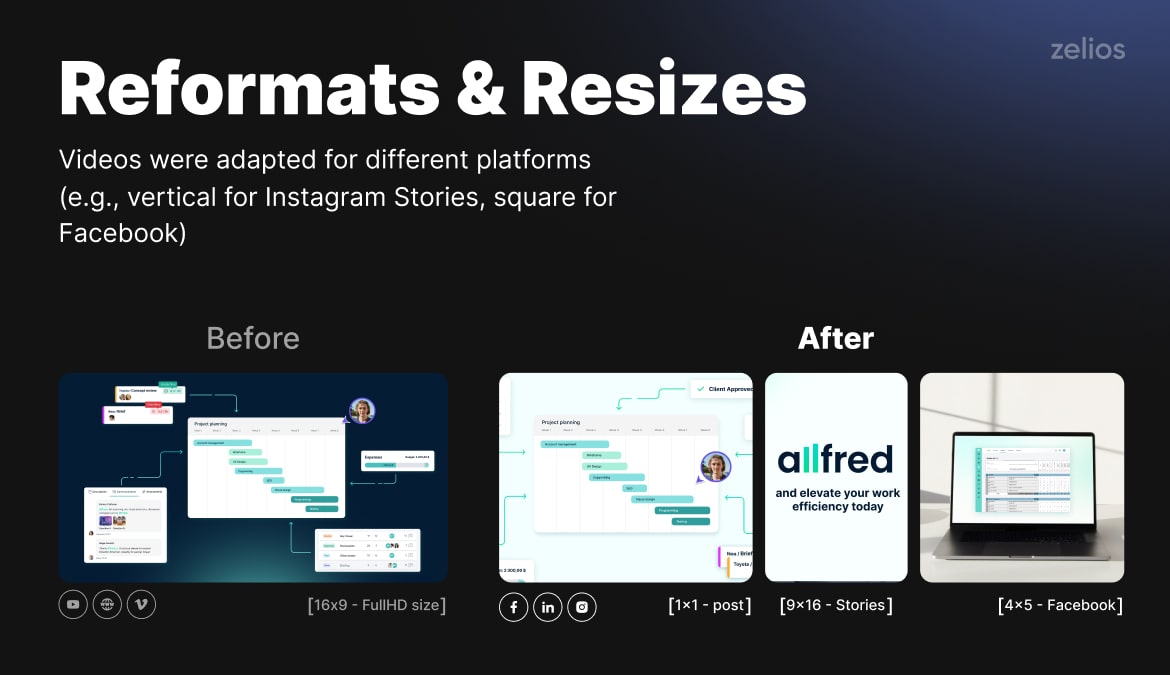
In this case, you will still have a variety of different content pieces across various platforms. All of the content from previous stages can be repurposed, adjusted and reused across social media. Your demo video can be cut down and used as 10 short clips on your feature pages (and you can bet, the clients will be viewing those).
On the other hand – customer testimonials and case study can also be repurposed into bite-sized, 20-30 second clips – for social media. You can even give them to your sales people, to use with those clients that are seemingly stalling.
How to Know Your Video Funnel Is Doing Its Job
A funnel without measurement is just a content calendar. Here’s what to watch at each stage:
- Top of Funnel — Track views, reach, and engagement rate. If people aren’t watching past the first 5 seconds, your hook isn’t landing. If watch time is low, the content isn’t relevant enough to the audience you’re targeting.
- Middle of Funnel — Watch time percentage and click-through rate are your signals here. Are viewers finishing your product walkthroughs? Are they clicking to your demo page or pricing? Drop-off in MOFU usually means a clarity problem — the prospect doesn’t yet understand why your solution beats the alternative.
- Bottom of Funnel — Conversion rate is king: demo bookings, trial sign-ups, or direct sales attributed to a video touchpoint. If BOFU views are high but conversion is low, the trust isn’t there yet — add more social proof or make your CTA sharper.
- Post-Purchase — Retention rate and product adoption signals (feature usage, login frequency) tell you whether your onboarding video content is actually doing its job.
Conclusion
Your effective video marketing funnel isn’t about flashy visuals – although having amazing videos certainly help with improved engagement. It’s about knowing how to direct your audience with intention and strategy, towards becoming a customer.
Show them the route – then keep them engaged, and remove any friction or confusion along the way.
Ready to build a video funnel that moves buyers through every stage? Let’s talk about your strategy.
Select the video type that aligns with your marketing objectives, and receive an immediate high-level estimate of the production cost.