In today’s volatile digital landscape, cyber threats are evolving like trickster masterminds in a high-stakes heist movie — always finding new ways to outsmart outdated defenses.
Relying on traditional security measures is no longer enough — businesses must prioritize cybersecurity and ensure their employees are well-equipped to handle potential threats.
It’s an unspoken truth in the industry — if you’re handling sensitive information and not using cybersecurity training for your employees, you’re leaving your company (and your clients!) wide open to attacks.
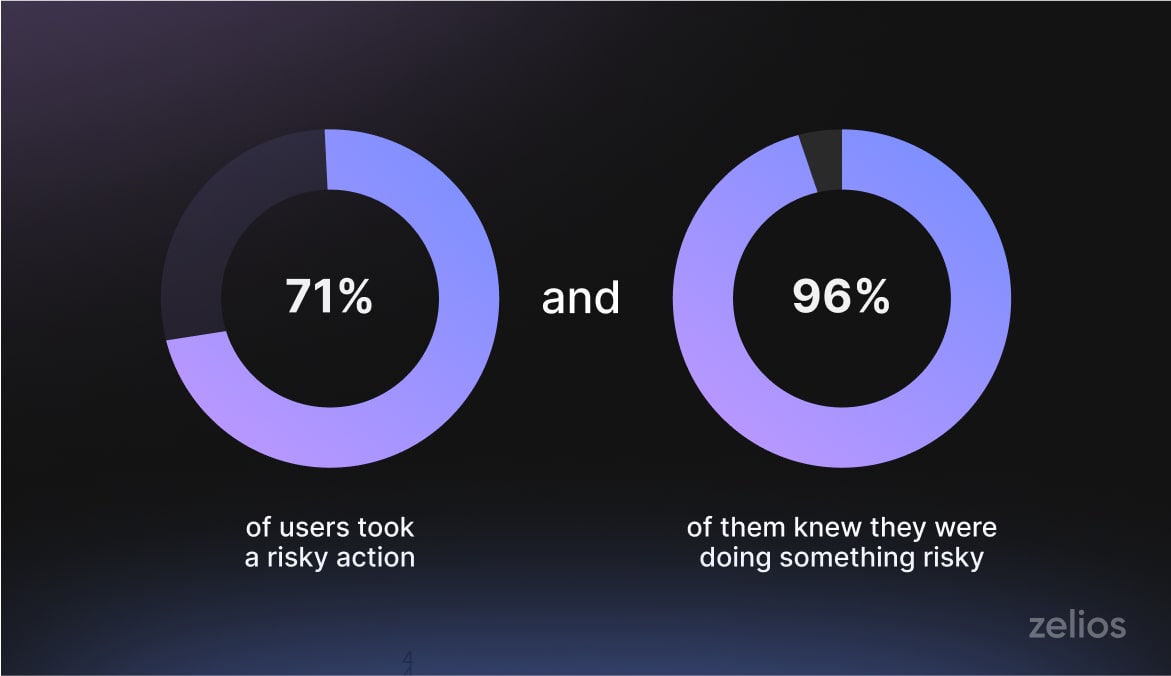
Just look at the data: 71% of employees say they made a cybersecurity mistake, with the vast majority doing so knowingly. Here’s what makes cybersecurity training videos work, what topics they should cover, and why professional production is worth the investment.
Why Cybersecurity Training Videos Work
Let’s be honest — nobody wants to sit through another dull, text-heavy security briefing. Video content changes that. Here’s why:
Engagement is Everything
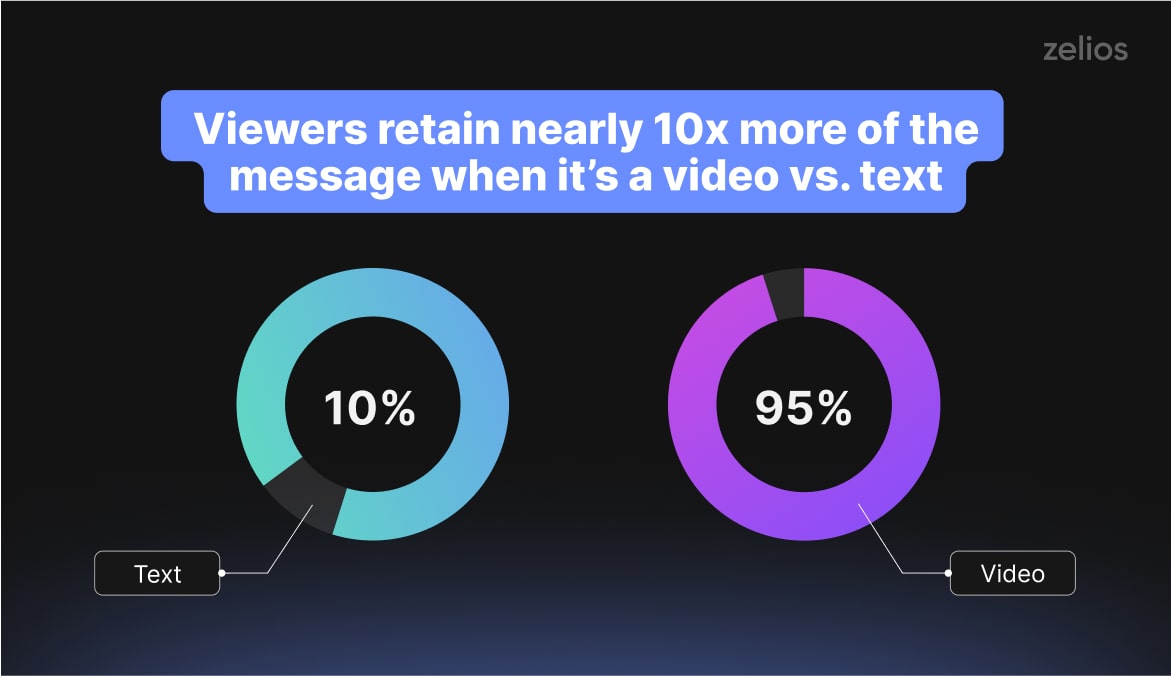
According to Forbes, people retain 95% of a message from video compared to just 10% from text, and that’s huge! Data security training videos (like the ones we specialize in at Zelios Agency) make complex concepts easy to understand and delivers crucial information in a way employees will actually remember.
Look at how Comarch takes complex fraud prevention concepts and presents them in a stylish, visually engaging way using flat design animations:
Clarification of Complex Concepts
Videos allows to deconstruct multifaceted processes into simpler ones, helping non-technical audiences quickly “digest” complex ideas.
A great example of breaking down intricate cybersecurity processes into simple, actionable insights is this explainer by Netcutter:
Scalability & Consistency
Unlike in-person training, cybersecurity video training can be taken on-demand, which ensures every team member receives the same high-quality education, no matter where they’re located or what time zone they’re in.
Take Psiphon’s MalAware ad as an example — this video delivers a key cybersecurity concept without relying on voiceover, making it perfect even for silent viewing or on the go:
Building Trust Through High-Quality Visualization
A visually compelling video doesn’t just inform—it captivates and builds trust. When employees are fully engaged, they’re more likely to absorb and apply cybersecurity best practices.
Look at how Bi.zone uses stunning 3D animation and a cinematic approach to transform cybersecurity training into an immersive experience:
What Topics Should Cybersecurity Training Videos Cover?
The most effective cybersecurity programs don’t cover everything — they cover what actually gets companies breached. Based on the most common attack vectors, here are the topics every employee training program should address:
- Phishing and social engineering. Phishing remains the entry point for most corporate data breaches. Videos in this category show employees how to identify suspicious sender addresses, spoofed logos, and urgency tactics — and what to do instead of clicking.
- Ransomware and malware recognition. Employees don’t need to understand how ransomware works technically; they need to recognize how it arrives. Animated explainers are particularly effective here — they can show the entire lifecycle of an attack without requiring any technical background.
- Password hygiene and multi-factor authentication (MFA). Short, scenario-based videos demonstrating the real consequences of weak or reused passwords — and the simple steps to avoid them — drive far better adoption than written policy documents.
- Safe remote work and public Wi-Fi. As hybrid work becomes permanent, employees connecting from coffee shops and airports represent a real attack surface. Videos covering VPN use, device locking, and screen privacy are now essential for any distributed team.
- Data handling and insider threats. Not every breach is malicious — accidental exposure of sensitive files is common. Training videos that walk through correct data classification and sharing protocols reduce unintentional leaks.
- Incident reporting. Employees often hesitate to report suspicious activity out of embarrassment or uncertainty. A dedicated video explaining exactly how and where to report — without judgment — can dramatically speed up response times when a real incident occurs.
A strong cybersecurity video program doesn’t need to cover all of this in a single production. A modular series, with one focused video per topic, is easier to update, easier to deploy, and far more likely to be watched in full.
What Makes a Great Security Awareness Training Video?
A good security training video doesn’t just check a compliance box—it actually changes behavior. Here’s what works:
Storytelling Over Dry Facts
People relate to stories, not bullet points. (No offense, Keynote ninjas! We love those tiny dots, too). Show, don’t tell.
Check out how Securiwiser turns cybersecurity training into an engaging experience with humor and relatable storytelling:
Short & Focused
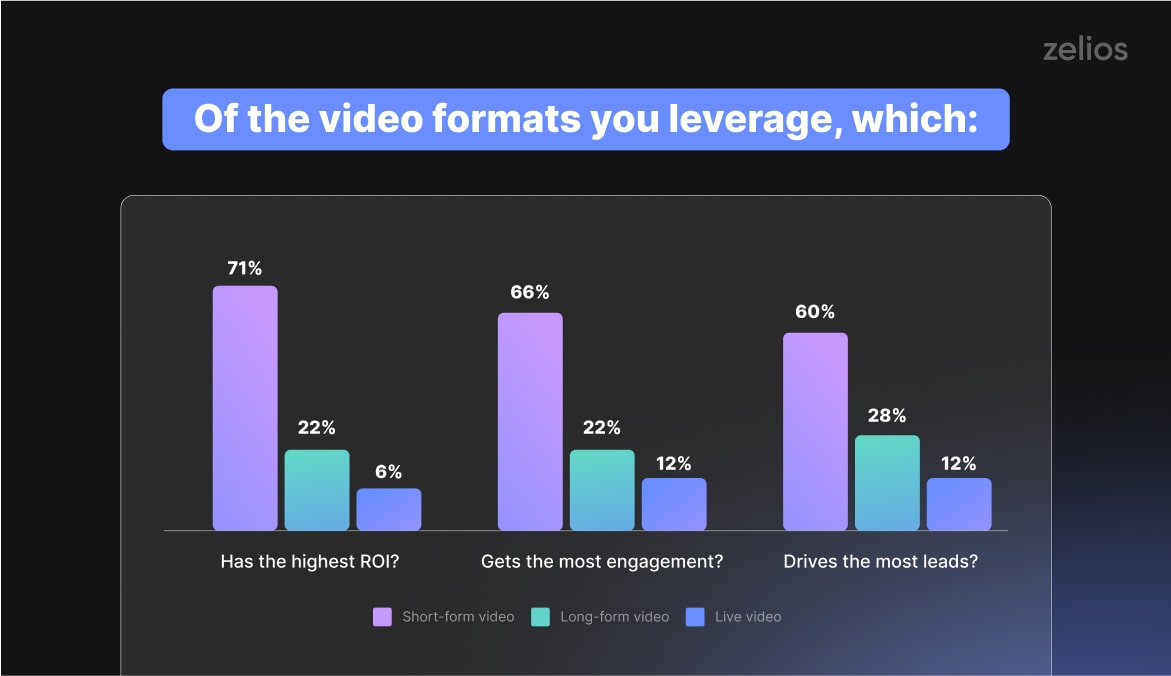
The truth is, after graduation, nobody’s ready for a 45-minute lecture. Break topics into bite-sized security training videos, make a series, or even wrap it as TikTok if you will. The catchier, the better!
Interactive Elements
Quizzes, decision-based scenarios, and engagement hooks keep employees alert and thinking.
How to Know If Your Cybersecurity Training Videos Are Actually Working
Deploying training videos is only half the job. Organizations that treat security awareness as a one-time compliance exercise tend to see the same human errors repeat, year after year.
Measuring the impact of cybersecurity training doesn’t require complex tools. A few practical methods:
- Phishing simulations before and after training. Running a controlled simulated phishing campaign gives you a concrete click rate baseline. After training, you run it again. A meaningful drop in click-through rates is the clearest evidence that the message landed.
- Knowledge checks embedded in the video. Short quizzes tied to each module do double duty — they reinforce retention and give you completion and comprehension data you can report up the chain.
- Incident reporting rates. Counterintuitively, an increase in reported incidents after training is often a good sign. It means employees are paying attention and know where to go. A department that never reports anything is more likely undertrained than incident-free.
- Annual re-training cadence. Cybersecurity threats evolve faster than annual policy reviews. Modular video content is easy to update — swapping out one section when a new threat type emerges costs a fraction of rebuilding an entire training program from scratch.
At Zelios, we create compelling, high-retention cybersecurity training videos that engage, educate, and protect.
Whether you need an information security training video for compliance, a cybersecurity training video for employees, or an interactive security awareness training campaign, we’re here for you to help.
Let’s make sure your employees are your strongest security asset—not your weakest link. If you’re ready to upgrade your cybersecurity training, let’s talk.
Select the video type that aligns with your marketing objectives, and receive an immediate high-level estimate of the production cost.