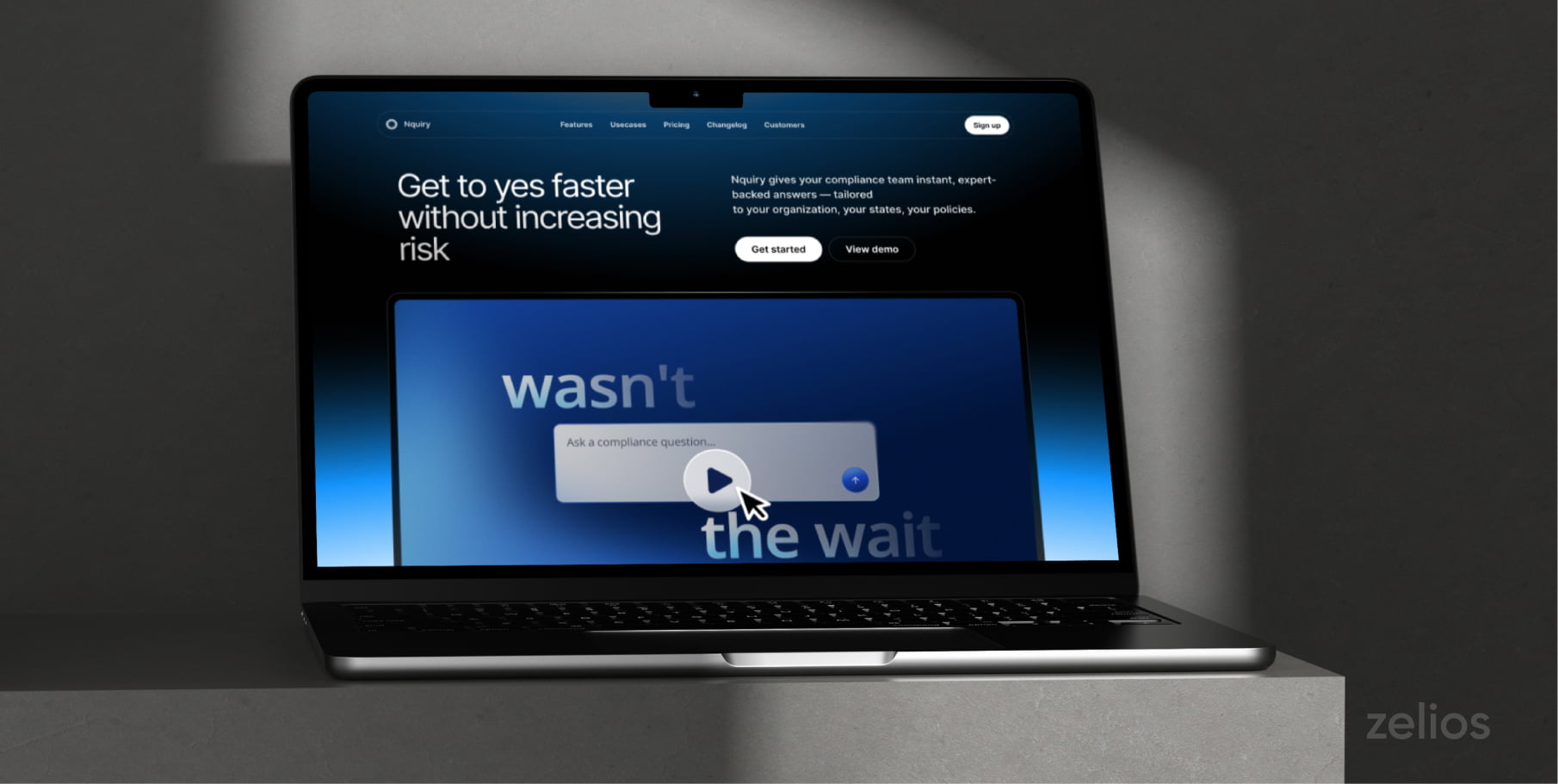
What’s better than creating a video? No, this time the answer is not “creating 4 videos”, even though sometimes it is (you can read more about that in our featured customer story for Allfred, and the approach to full funnel video production).
This time, the answer is making sure your video is seen, by the right people, at the right time and moment in their buying journey.
Sounds easy enough – but a fair question is: “Where should I start”?
With this article, we are aiming to provide you with some insights into how to distribute video content, so you can give your videos wings.
The Three Types of Video Distribution Channels (And Why All Three Matter)
Before choosing where to post your video, it helps to understand how distribution channels are classified. There are three fundamental types, and the most effective video marketing strategies use all three in combination.
Owned channels are platforms and properties you control directly: your website, landing pages, blog, email list, and YouTube channel. These are your highest-ROI channels over time because every view you earn there is free and builds your brand’s digital footprint.
Earned channels are coverage and visibility you receive from third parties — a journalist embedding your video in an article, an influencer sharing it organically, a community member posting it in a Slack group, or a newsletter curator recommending it to their list. Earned distribution is the hardest to get but the most credible.
Paid channels are platforms where you pay for guaranteed reach — social ads, sponsored placements, and programmatic video. Paid distribution gives you speed and targeting precision that organic methods can’t match, but the reach stops the moment you stop spending.
The six distribution tactics below span all three types. When you’re planning your next video’s rollout, map each tactic to one of these categories — it will help you balance short-term visibility against long-term asset-building.
1. Multi-Platform Distribution: Casting a Wide Net
First of all – you need to play the numbers game, so this starting point is fairly simple. If you need to be seen by crowds of people, you need to show up on the various platforms those people frequent.
So, when we talk about online video distribution on the most basic level, we start with what platforms we are going to use.
Tips for Multi-Platform Distribution:
- YouTube. Pretty straightforward here – YouTube absolutely loves videos that are long form, so if your video is long form, or done in a tutorial style – this is the best place to spread the content.
- Instagram and TikTok. These platforms focus on snappy, dynamic content – something that you would want to watch on your phone. So don’t forget to also have a variation of your video that’s specifically tailored for vertical format.
- LinkedIn. LinkedIn is the best place for B2B content of all sorts, which would be the prime place to talk about pain points of your potential clients. Additionally, Linkedin allows for additional, targeted reach if you use ads.
- Facebook, Facebook favours square videos, so you can tailor your 16:9 video to work with it and get viral.
No need for marketing degrees or years of experience to understand: each platform scoops up and pushes specific types of content to the top, so if you play the game right, you are guaranteed to enjoy improved reach – that’s what a multi platform distribution really means.
2. Paid Advertising on Social Networks
We’ve already mentioned that LinkedIn offers paid ads, to reach more of the audience that are spot on in terms of being your target audience. The same is also available on other social media platforms, specifically those under the umbrella of Meta – Facebook and Instagram. The best thing is that if you have a budget to spare, they allow you to be really granular when it comes to who will see those ads.
Strategies for Paid Advertising:
- Meta Ads: Meta/Facebook is in a sense similar to TikTok, in that punchy and provoking videos do best there. They work great if you have a punchy brand awareness or Explainer videos, but are less effective with MOFU content like How To and Demo videos.
- LinkedIn Ads: For LinkedIn Ads, it’s important to promote B2B content to your target audience, so if you have a great case study or thought leadership videos, you can promote those to get more qualified eyeballs.
- YouTube Ads: Use the short, 10-15 second skippable slots, the in-stream ads, so that you can capture attention early, and lead the viewer to a landing or product page.
Paid advertising helps extend your social video distribution, especially in competitive niches.
So there’s that – if you have additional funds and are looking for a more calculated approach, you can extend your videos reach by using it in different forms of paid advertising, especially in competitive niches.
3. Collaborations with Influencers
Especially on LinkedIn, there are a lot of influencers that have massive presence, with followers counting in the millions. Your videos will benefit even from a quick mention by these thought leaders, especially if the content they produce is relevant to your target audience.
For example, if you are selling a project management solution, you would benefit from a shoutout or a repost of your explainer/product video by a thought leader talking about approaches to project management, best practices, and their experience.
This video distribution strategy is often overlooked, but can yield big results if coordinated and applied properly.
Tips for Influencer Collaboration:
- Pick those who already have history talking about your industry or adjacent topics.
- Co-create and integrate influencers in the video content.
- LinkedIn then allows you to track engagement and stats around that collaboration.
Creating variations of your video for different platforms isn’t extra work—it’s insurance for better reach.

4. Product Hunt and Trade Shows: Showcasing Innovation
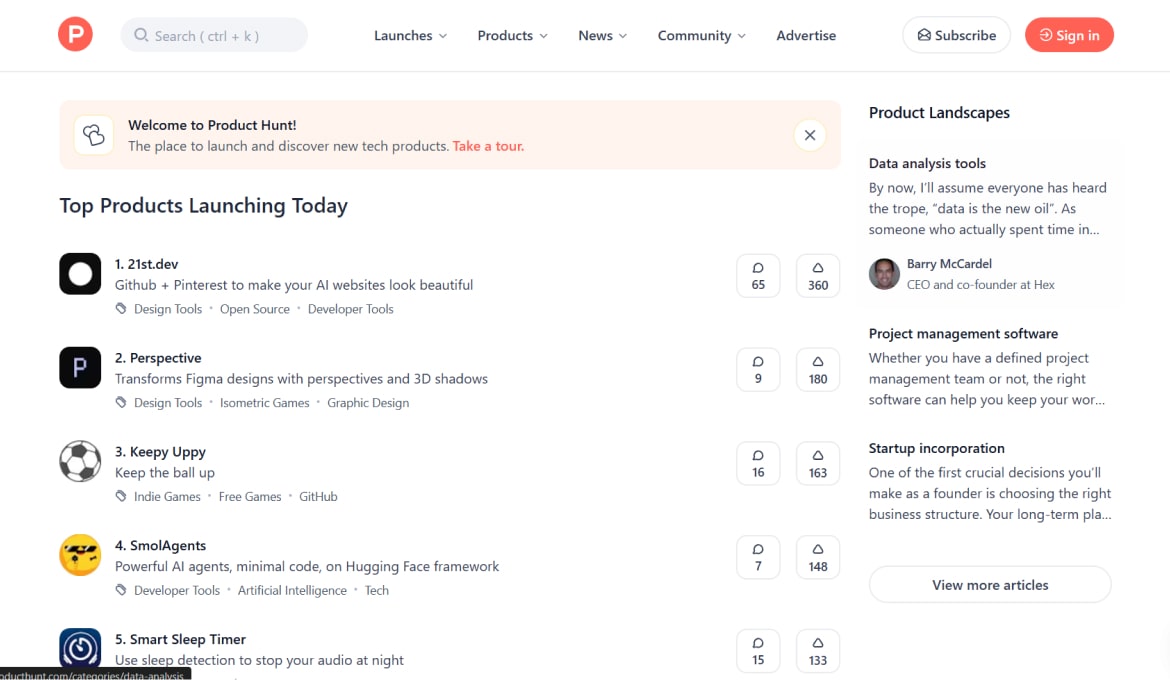
At Zelios we know a little about the power of Product Hunt, and how effective it is if you are equipped with a great video.
One of our clients, Shadow.do, have collaborated with us to create a great video, and then used it across social media, and Product Hunt, receiving increased exposure both on traditional social media, and specifically on Product Hunt.
You can also read more about strategies and approaches to Product Hunt launch, in one of our articles here.
Best Practices:
- Create demo and explainer videos tailored specifically for these platforms and events.
- Use videos to highlight key features or use cases of your product.
- Encourage attendees or viewers to engage with follow-up actions.
This approach is particularly effective for startups or companies launching innovative products.
5. Written Articles and Guest Posts
What are you doing at this moment? That’s right – you are reading an article. Blog posts, articles, guest posts are some of the best ways to include your video content, especially if you’ve followed our advice and created cutdowns, and additional iterations of the video, which you can use across those pages.
Suggestions for Written Content:
- Especially if you are collaborating on a blog – you can insert pieces of how-to guides and visual aids – and even share case studies.
- You are the experts – so share expert advice and insights with short video snippets.
Publish guest posts with your video included, across high-traffic websites within and adjacent to your industry.
6. Your Own Website as a Distribution Channel
Every blog post you’re already publishing, every landing page you’ve built, every resource page on your site — these are distribution surfaces for your video content. Yet most companies treat video and written content as separate tracks that rarely interact.
Ways to use your own site as a distribution channel:
- Embed on the most relevant existing pages first. Don’t wait for the perfect new content piece. Identify the pages on your site with the most organic traffic and ask whether a video would add value to a reader landing there. A demo video on a product page. A “how it works” animation on a pricing page. A case study video on a customer stories page.
- Create a dedicated video hub or resource library. If you’re producing video consistently, a browsable library gives your content a home that search engines can index as a topical cluster, and gives prospects a reason to spend more time on your site.
- Use video in email sequences, not just newsletters. Linking to a video from a nurture email (or embedding a thumbnail with a play button) is one of the highest-click elements in B2B email. A video your sales team already uses can be repurposed into an automated follow-up for anyone who downloaded a resource.
The key shift is treating your own domain as a primary distribution destination, not a secondary one. Social platforms loan you their audience. Your website builds yours.
Need help planning the strategy, format and budget for your next video? Reach out today!
Select the video type that aligns with your marketing objectives, and receive an immediate high-level estimate of the production cost.