


In many films, the hero or lead character is often shown smoking a cigarette or cigar, and this has long fueled the belief that tobacco brands intentionally use such native advertising tactics.
By placing their products naturally within a scene, cigarette companies can influence audiences without making the promotion feel like a traditional advertisement. This is the core definition of native advertising.
What Is Native Advertising, And How Does It Work?
The definition of native advertising refers to a marketing approach in which an ad is planned and placed in such a way that it feels natural and seamless with the environment, and it doesn’t give an ad-like feel, like traditional ads.
This is the native advertising meaning in practice: the ad is designed to be non-disruptive, making it feel less like a traditional advertisement and more like a natural part of the platform.
These ads work by integrating into the user’s content journey. Instead of interrupting the audience, native ads provide value through information, entertainment, or recommendations.
Native Advertising vs. Traditional Advertising
The clearest way to understand native advertising is to put it side by side with what most people think of when they hear the word “ad.”
| Native Advertising | Traditional Advertising | |
|---|---|---|
| Appearance | Matches the platform’s look and feel | Clearly stands out as an ad |
| User experience | Non-disruptive — part of the content flow | Interruptive — competes for attention |
| Format | Articles, videos, sponsored posts, listings | Banners, pop-ups, pre-roll spots |
| Engagement | Higher — users choose to engage | Lower — often ignored or blocked |
| Trust | Feels editorial or organic | Perceived as promotional |
| Ad blindness | Less susceptible | Major problem (banner blindness) |
| Disclosure | Required, but subtle | Visually obvious |
Types Of Native Advertising (With Examples)
There are several types of native advertising, each tailored to different platforms and user behaviors. Some of the most common include:
- In-Feed Ads
These appear directly within a website or social media feed.
Example: Sponsored posts on Facebook, LinkedIn, or Instagram.
- Content Recommendation Ads
Displayed as “recommended for you” or “you may also like” sections on publisher websites.
Example: Outbrain or Taboola content widgets promoting articles or videos.
- Branded Content
Long-form articles, videos, or interactive pieces created in collaboration with publishers.
Example: A magazine or online publisher producing a sponsored story featuring a brand’s message.
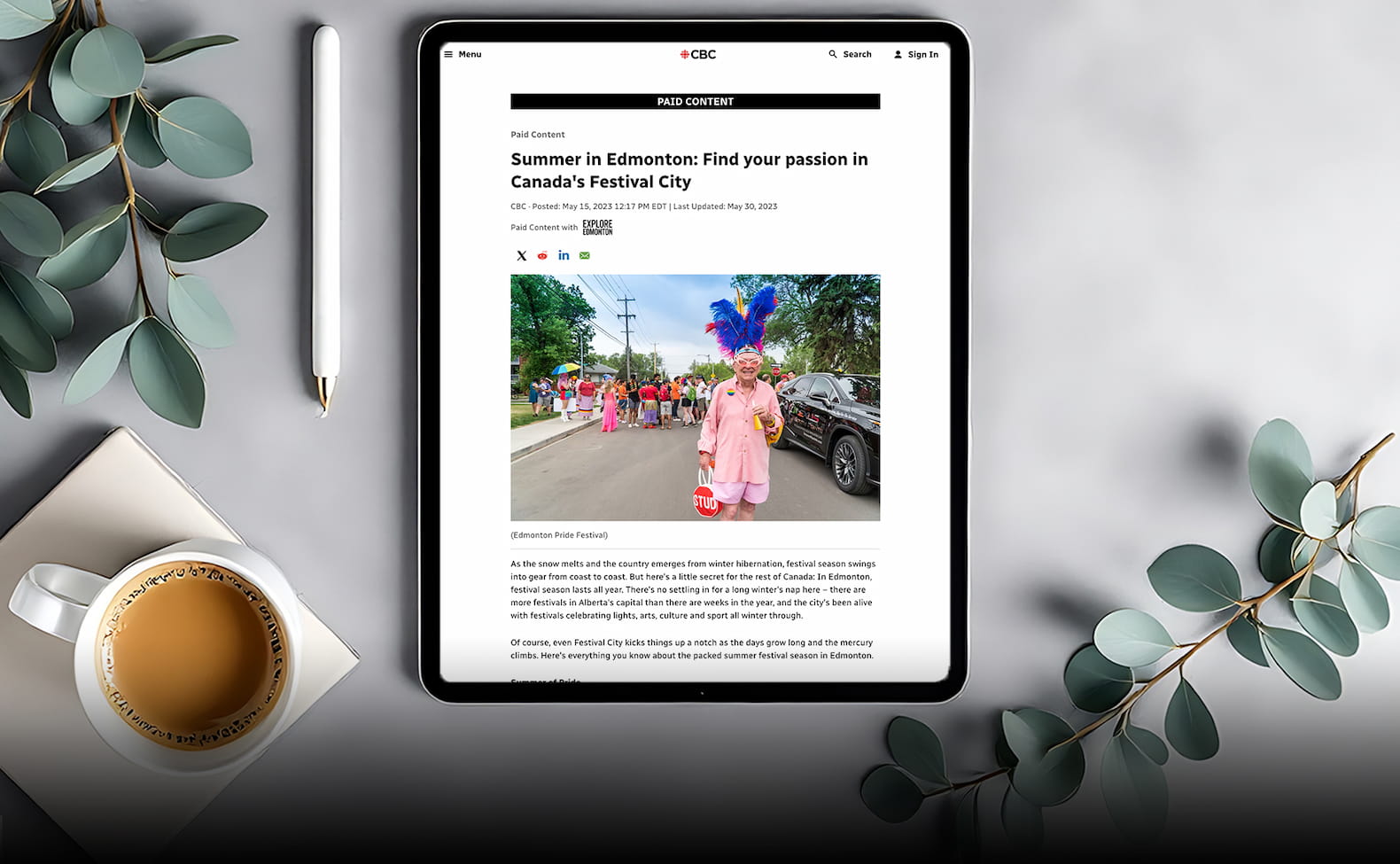
- Promoted Listings
Advertisers pay to have their products appear at the top of search results or category pages.
Example: Amazon and eBay promoted product spots.
- In-App Native Ads
Ads integrated directly within mobile apps, designed to match the app’s interface.
These native advertising examples highlight how flexible and platform-specific the format can be.
What Makes a Native Ad Effective
Not every sponsored post qualifies as effective native advertising. The difference between a native ad that builds genuine brand equity and one that gets scrolled past lies in a handful of consistent principles.
- It provides value to the audience first. The most effective native ads teach something, entertain, or inform. The branded element is present but secondary. If the content would be interesting without the logo, it will be interesting with it.
- It matches the platform — not just visually, but tonally. A piece of content that looks like a LinkedIn post but reads like a press release is not native. True native alignment means adopting the language, pacing, and register of the platform and its audience.
- The disclosure is present but not a distraction. Transparency is required by law in most markets. Good native advertisers treat the “Sponsored” label as a sign of credibility rather than a compromise. Audiences who trust the publisher extend some of that trust to well-produced sponsored content.
- The call to action is soft. Native ads rarely close with “Buy Now.” They close with an invitation — “Read More,” “Discover,” “Watch” — that continues the content journey rather than snapping the audience into purchase mode.
- The video tells a story, not a feature list. This is especially relevant for video-format native ads. Videos that open with a conflict, a character, or a question outperform those that open with a product shot. The first ten seconds determine whether anyone watches the rest.

Conclusion
Native advertisement offers a silent yet powerful approach to reaching audiences where they already consume content.
By understanding the types of native advertising and real-world examples, marketers can create more effective campaigns that drive engagement without disrupting the user experience.
