Without a clearly defined and well planned strategy – your video becomes another piece of the content that doesn’t drive results.
The most common mistake brands make is optimizing for the wrong thing. They invest in beautiful visuals but skip the strategic layer: who the video is for, where in the buyer journey it lives, and what single action it should prompt. A video that looks great but serves the wrong moment in the funnel is still a miss.
With this article, we will take a look at some expert tips on how to make great, strategy infused videos.
1. Start with Strategy, Not Just Creativity
Before we start talking about how to make a good video – let’s go even deeper, and talk about the single thing that will make sure your video is amazing, lands well with your audience, while achieving your goals across ToFu, MoFu and BoFu.
We are talking about a Strategy-First approach.
Usually, 90 percent of SaaS, AI, Tech companies use video the wrong way – because they lack the very core understanding on how to marry their business goals with the right video strategy.
To make sure your company “avoids” this dysfunctional marriage, before jumping into video production – define your goals, and where you are at with your product, and what’s missing within your overall marketing funnel:
- Where does your SaaS/AI product stand at this very moment?
- Why isn’t your ICP choosing you 7/10 times?
- Do you have a lot of website visitors, but almost none of those convert?
- Answer this truthfully: is your product too complex for people to understand from the moment they first interact with you?
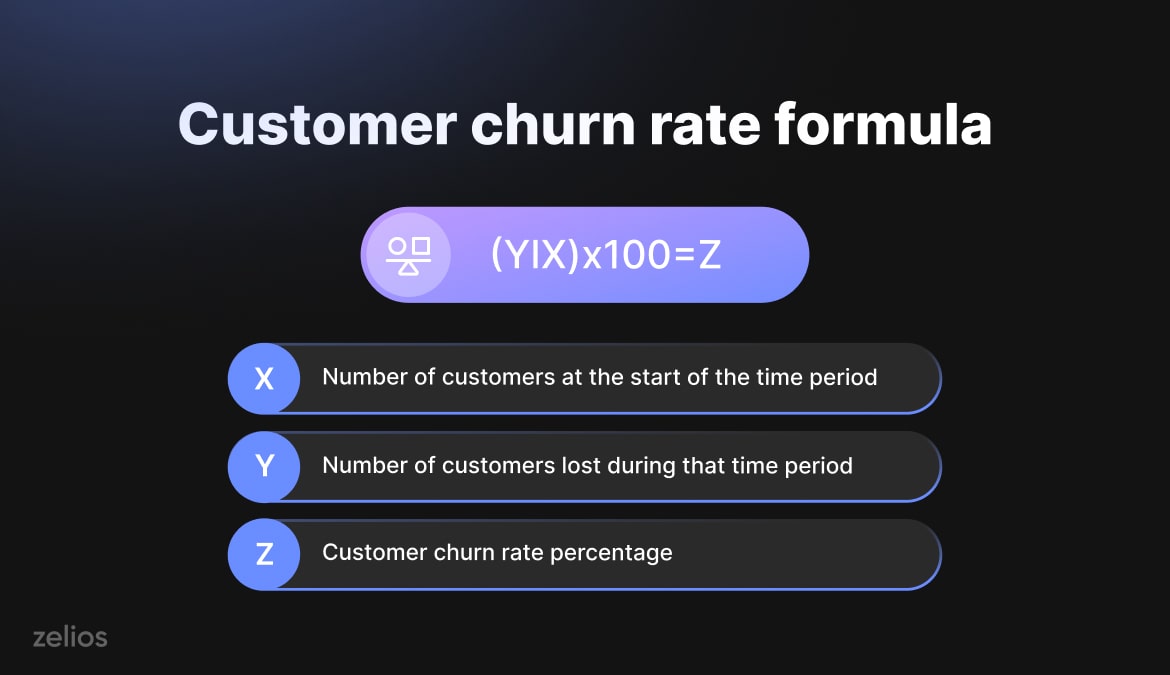
- Do you have high churn rates?
- Do you have lots of discovery and sales calls, but most of those don’t convert into sales?
This would give you, and more importantly – your chosen video production agency – a better understanding of your goals, and how to achieve them.
For example – if you have a higher than usual churn rate – you might not need an Explainer video, but a series of how-to and tutorial videos for your existing customer base – as people are struggling to integrate your solution into their workflow.
2. Clarity Over Complexity
Following on the theme of imbuing strategy with your videos – let’s talk about clarity, which will make sure your video is better. Some of the best in class companies – think Stripe, ClickUp, Hubspot, Notion – have a fairly complex selection of their products. Normally, this would be a big bottleneck – as conversions would suffer, and people would bounce from the website, as the product just seems too complicated.
These industry leaders use Explainer videos to bridge that gap – bringing in the much needed clarity to and make their messaging easily digestible. And what makes a good explainer video? A few things spring to mind:
- Strategize around your message until it’s concise and clearly speaks about how you help your ICP.
- Avoid feature dumping, being too technical and in the weeds with your marketing.
- Use visuals in combination with your narrative, to reinforce the message.
If you are not explaining your product effectively, rest assured, your competitors will speak about why they are better than you.
3. Optimize for Every Platform and Video Usage
Again – best video strategy doesn’t bet everything on one, even amazing, hero video. It’s all about having the right content, placed strategically across the customer journey.
It’s like leaving breadcrumbs – to guide them and help your customers successfully arrive at the end of their buyer journey with you.
Short form videos thrive when they are, well, short form. Make sure you are staying within a 15-30 second range, as that’s the sweet spot for shorter content. If you are looking for a budget friendly solution, you don’t need to create a separate video from scratch – your video production team can produce a variety of adapted cutdowns from the Explainer/Demo hero video.
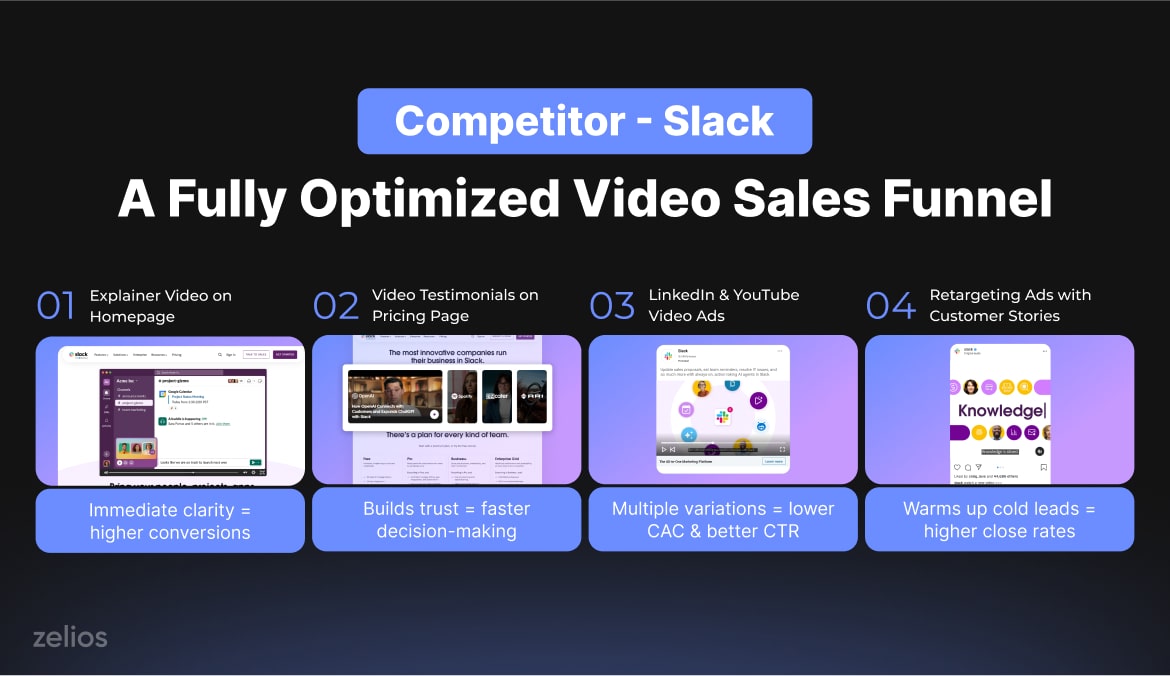
- Homepage Explainer Video. This serves as a net to catch those curious about what your product does. If you’ve done well with strategy and clarity, they should be opting into your sales funnel after watching the video – make sure it’s concise at around 60-90 seconds.
- LinkedIn & YouTube Ads. Here, you have your cold lead generation and creating awareness. Best done with quick, bite sized video – fast to produce and easy to adjust to A/B testing.
If you are working with a tighter budget, you can also cutdown your initial 60-90 hero video into shorter, 15-30 second clips and test different hooks, intros, or CTAs without commissioning a new video from scratch. - Testimonial & Case Study Videos. These videos help when potential buyers already have a high level of interest in your offering – this will be your MoFu and BoFu content.
- Retargeting Ads. Use short form content and keep yourself top of mind with bite sized, 5-15 second videos.
This is what the leaders in SaaS/AI/Tech are doing – they purposefully use video across the entire funnel, starting from the first outreach with cold awareness, to assisting their sales people with closing deals.
4. Quality Matters, But So Does Performance
Sleek visuals are important of course – but metrics and actual raw numbers always come first. It’s really important how your video will align with your goals.
A/B testing different hooks and formats
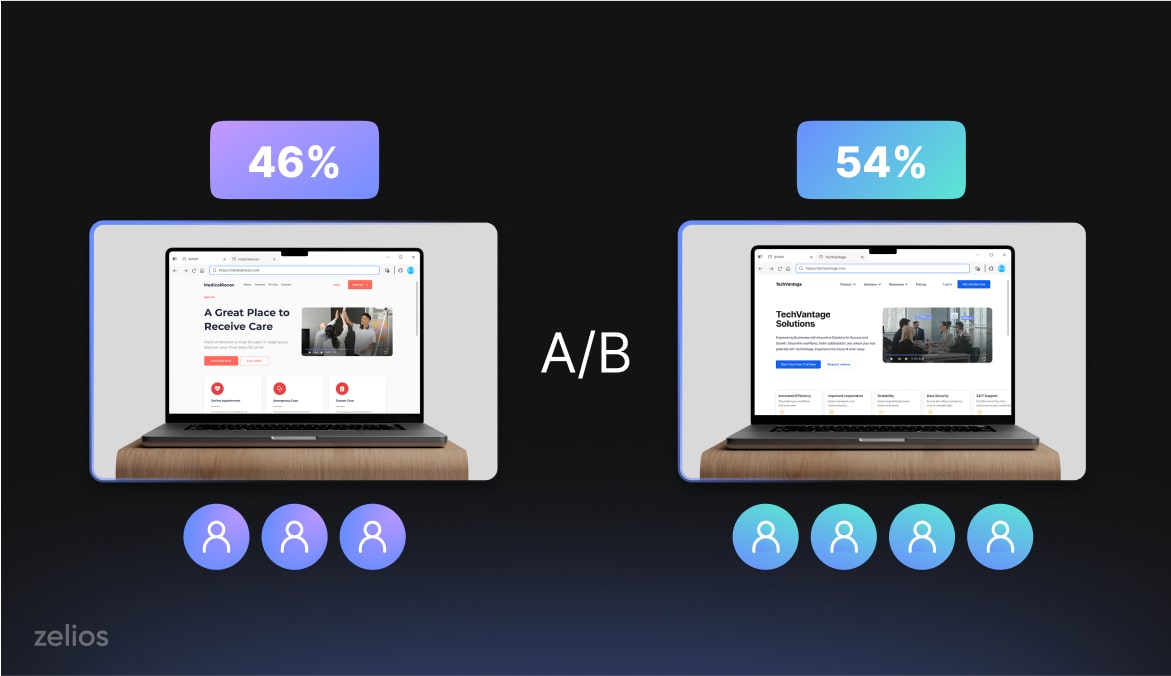
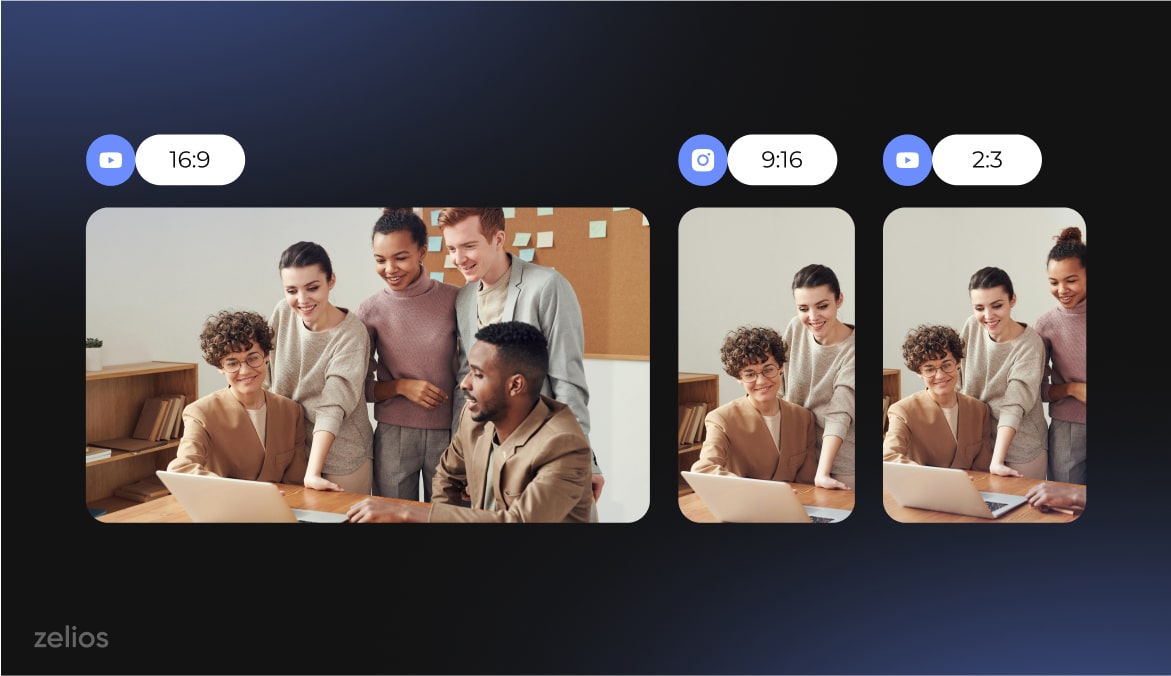
Make sure you produce high quality videos that can be customized and tested with different hooks, formats and resizes. A 60-90 second video in 16:9 might not land from the start, but if you have an alternative 20-30 second, 9:16 resize – this might as well be used to a better effect.
Cutdowns and resizes
If you create just one video – and put all of your eggs in one nest – it’s really likely it’s going to flop and not produce the needed improvements.
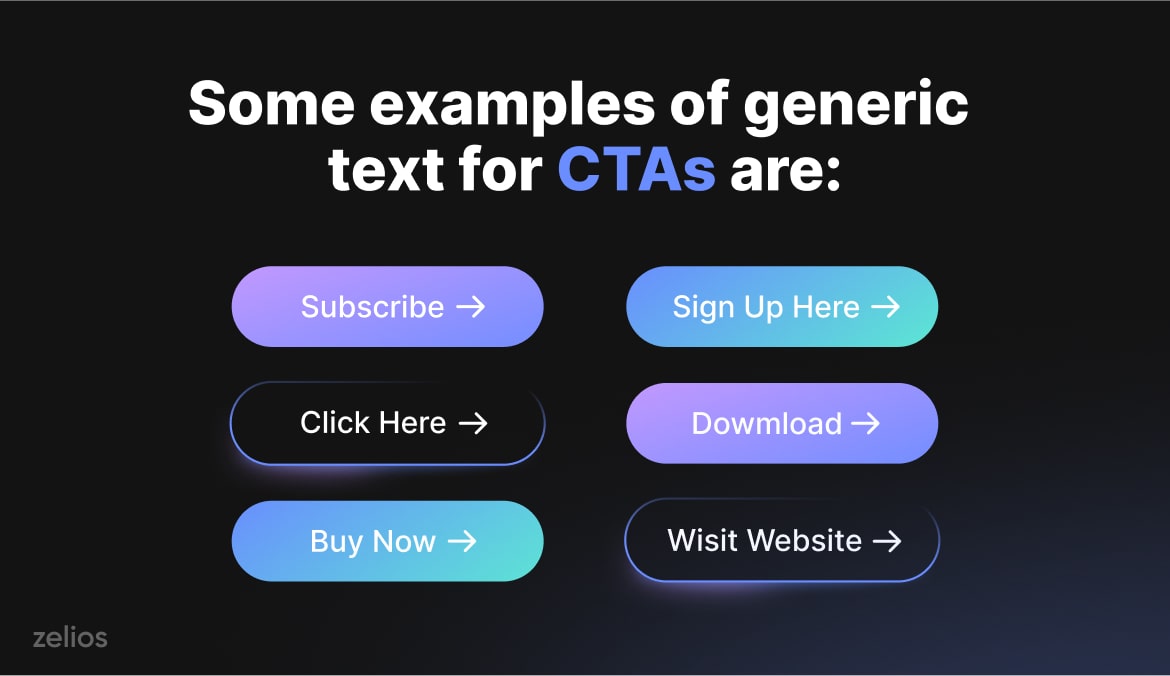
Clear calls to action (CTAs)
Of course, once your viewers watch till they end – they need to be guided by a clear and simple CTA.
Optimize for Silent Viewing — Not Just the Algorithm
Most professional and social video is watched with the sound off. LinkedIn’s own data has consistently shown that the majority of video plays on the platform are silent. This means your video has to communicate its core message visually — through text overlays, subtitles, and animated captions — before the viewer decides to tap for sound.
Practically, this means:
- Always add captions. Closed captions are non-negotiable for any video running on LinkedIn, Instagram, or YouTube. They are also an accessibility requirement and help platforms index your video content for search.
- Reinforce key lines with on-screen text. The most important sentences in your voiceover should also appear as text overlays — not as a repetition, but as a visual anchor that works independently.
- Lead visually, not verbally. If your hook only works with audio on, rewrite it. The opening sequence should make a viewer curious enough to tap even if they caught it on mute.
This is a low-cost, high-impact optimization — and it applies to every format from 10-second social clips to 90-second hero explainers.
5. Continuous Optimization for Maximum ROI
There’s a lot to be said about nailing your message, delivering it to the correct target audience, and converting them into paid customers. Needless to say – even the greatest company video would be unable to do it from the first try. That’s why creating variations of your video content, A/B testing different hooks, formats, lengths – helps you maximize ROI and lower your acquisition costs.
At Zelios, we have a strategy first approach, and we are all about testing and optimizing your video to achieve your goals.
Because good video + continuous improvement = great results.
- Month 1: Launch & Test – Normally you would run a couple of short, brand awareness/ad style videos to catch wide audiences and start opting them into your sales funnels. These are short,
- catchy, fast to make and test, normally 15-30 seconds depending on the use case.
- Month 2: Adjust & Optimize – See what works, and double down on the problem/messaging that worked.
- Month 3: Scale What Works – Now, based on the messaging that already works – and you have tested rigorously – you can build a whole sequence of assets, with the throughline of what already works. This is exactly what we did for our client – Allfred, a SaaS project management platform.
What Makes a Good Video, in Plain Words
A good video does three things at once: it earns attention within the first few seconds, delivers a message your audience actually retains, and moves them toward a specific action. Production quality matters — but it’s the third factor, not the first.
The most common mistake brands make is optimizing for the wrong thing. They invest in beautiful visuals but skip the strategic layer: who the video is for, where in the buyer journey it lives, and what single action it should prompt.
“A video that looks great but serves the wrong moment in the funnel is still a miss.”
For SaaS and tech companies specifically, a good video is one that reduces friction — cognitive friction (making your product harder to understand than it needs to be), sales friction (unanswered questions that stall deals), and onboarding friction (confusion that causes churn). The tips below are all oriented around these three friction points.
The Final Takeaway: More Than Just a Video
To sum up – a good video is not only a valuable piece among your marketing kit, but also the one that brings the right message, at the right time, and at the right moment in the buyer’s journey.
With Zelios, you will be able to make great videos, ranging from explainer to testimonial videos, retargeting ads that will play a crucial role in converting your prospects into customers.
Select the video type that aligns with your marketing objectives, and receive an immediate high-level estimate of the production cost.