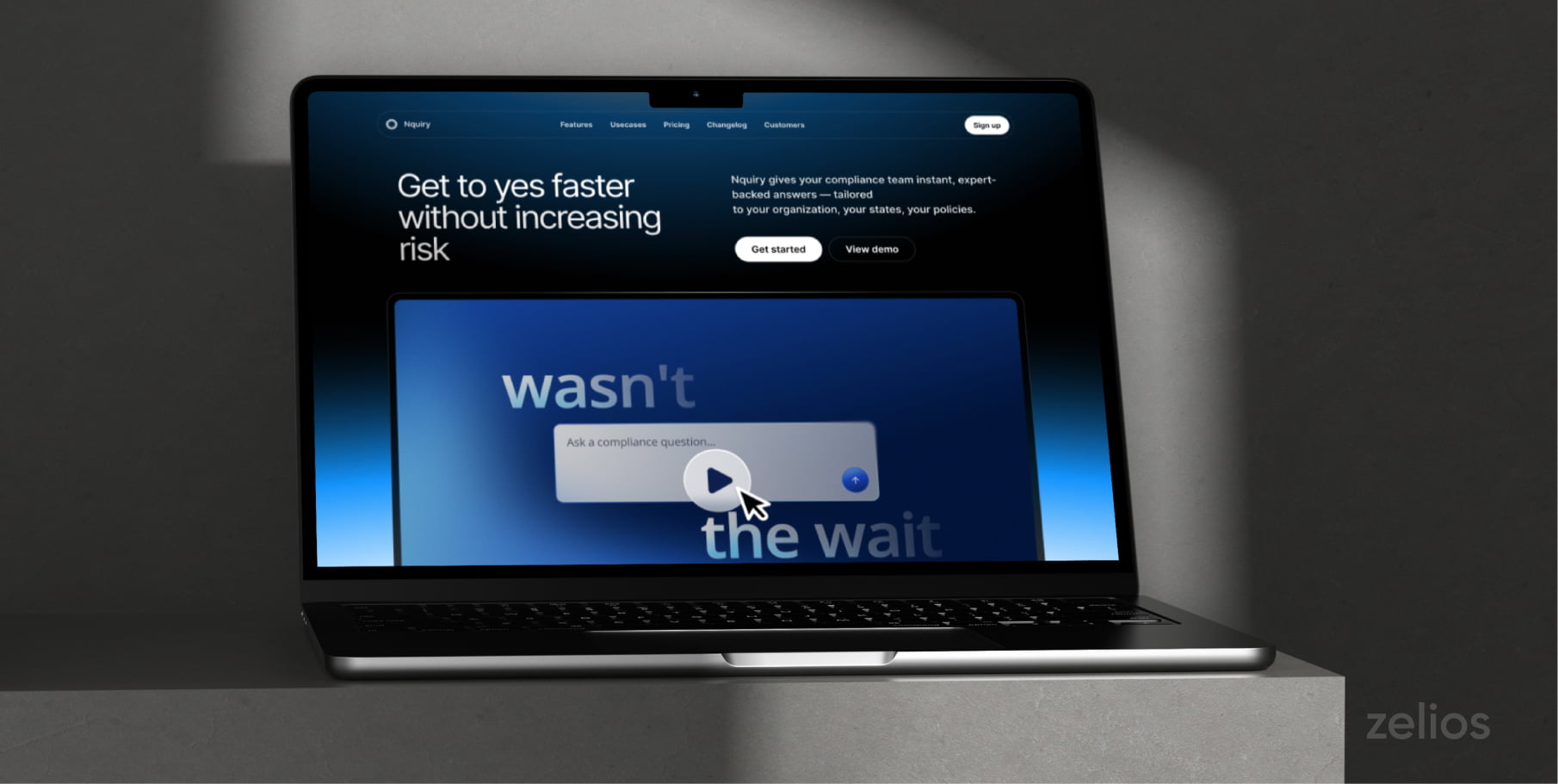

As a business owner, getting your investors to say yes can be one of the hardest challenges you will ever face. However, there are many things pitch decks miss. A well crafted video does not just inform the audience, but also builds trust, making the opportunity feel real.
Whether you are cold-emailing a VC or preparing for a demo day, these type of videos can surely help you unlock your funding on another level.
1. “Problem-Solution” Animated Explainer
Before investors will ever open up their wallets to you, you will need to identify and properly explain all the pains your product is fixing for them. Think of it as a problem-solution barter.
This is typically a sixty to ninety second live action or animated video that will portray the pain point of the audience and target your customers’ experiences, introduce your product, and offer a logical solution. This then needs to end with a memorable hook, which clearly explains the size of the opportunity you are bringing to the table.
A great example of this is the “Microsoft Loop – think, plan and create together like never before” video. The animation works well as it lets viewers visualize the abstract frustrations, without putting expensive production in the mix.
2. Investor Pitch Video
The investor pitch video is your version of a cold email, but better. It comes with a warm and kind face to walk your investor through everything. This is a punchy, 60 second clip which is designed specially for outreach and getting that first client meeting. A strong pitch video will move through the essentials quickly.
This includes who you are, what your startup does, and your market size. This will also include your traction, key proof point, your numbers, and why this matters. Close with an extremely compelling line and close the deal. Investors can watch up to a hundred decks every month.
A short and confident video is likely to stand out immediately, as long as you keep it light, energetic, and people-oriented. A great example would be this video by LangEase:
3. Product Demo Video
A good product demo video can go a long way. Slides can only as much as describe your product with images and words, but a demo video goes a long way. Check out this example:
The format uses real world scenarios instead of the plain, old abstract claims, with investors getting to see the real experience. This builds far more credibility for your business than any presentation ever could.
The best product demos focus on one or two core use cases rather than every feature, show a realistic user navigating a genuine pain point, and combine screen recordings with voiceover and light animation to hold attention.
4. Traction Milestone Timeline
Numbers on a slide are easy to skim. Numbers brought to life in a fast-paced visual timeline are a completely different story.
A traction milestone video recaps your biggest wins — user growth, revenue milestones, key partnerships, press mentions — in a way that conveys momentum. It transforms abstract data into a narrative arc that says: this team executes.
Month-over-month growth, major product launches, notable customers signed, accelerator programs completed — string them together with sharp editing and the right music, and even an early-stage startup can look like a rocket ship gaining altitude.
5. Team Showcase Video
Every experienced investor in business will tell you that they bet on teams instead of products and ideas. Markets can shift from time to time but a great team will always figure it out. This team showcase video by Parrot Analytics shows just that.
A team showcase should introduce your founders, key hiring roles, and other details in an authentic, warm way to your investors. The video should answer why these people are the ones to trust. Furthermore, personality also matters here. Investors want to see you are someone they would enjoy working with.
6. Ecosystem Integration Map
A great example of ecosystem integration mapping is “What’s a Zap?” by Zap. This is a very strong, and highly powerful for B2B startups. Instead of telling investors about how your product will fit into the market.
This shows them a dynamic visual map very soon. If your platform easily connects with platforms like Slack, AWS, or HubSpot, thats a massive signal of distribution potential for your product.
7. Investor Q&A Videos
“Air New Zealand Investor Q&A with CEO Greg Foran” is a great example of this. Every investor comes with a list of tough questions that they will eventually ask.
You should answer these questions on your own terms, preferably before the meeting even happens. Pre-recorded Q&A videos are very common.
Try to tackle good topics, how to win against your main competitors, and what the path to profitability looks like.
8. Market Opportunity Visualization
The launch ad video for LangEase is a great example of market opportunity visualization. Investors often obsess over market size, and for very good reason. A great market opportunity video can make them feel at ease about the product market they are tapping into. Instead of a static slide with a “$47B market” label, use dynamic motion graphics to bring the opportunity to life.
9. Technical Deep-Dive Video
“How ChatGPT Works Technically” by ByteByteGo is a great example of a deep dive video. For deep tech, AI, or B2B startups, technology itself can often be the biggest USP. However, explaining the architecture in an introductory meeting can be next to impossible. This is where a technical deep-dive video will shine.
You don’t need to produce all nine at once. Start with the one or two that match where you are right now. Maybe that’s a pitch video for cold emails, or a demo video to share after a first call. Build from there as your process matures.
Need help planning the strategy, format and budget for your next video? Reach out today!
Select the video type that aligns with your marketing objectives, and receive an immediate high-level estimate of the production cost.