
Animated corporate videos have long been the staple (together with happy hours and pizza parties), allowing corporate teams to show their work, congratulate their clients and show the bright future ahead.
So, with this blog we will look at some of the challenges with animated corporate video production, while also offering practical solutions and our own experience.
1. Managing Multiple Stakeholders’ Expectations

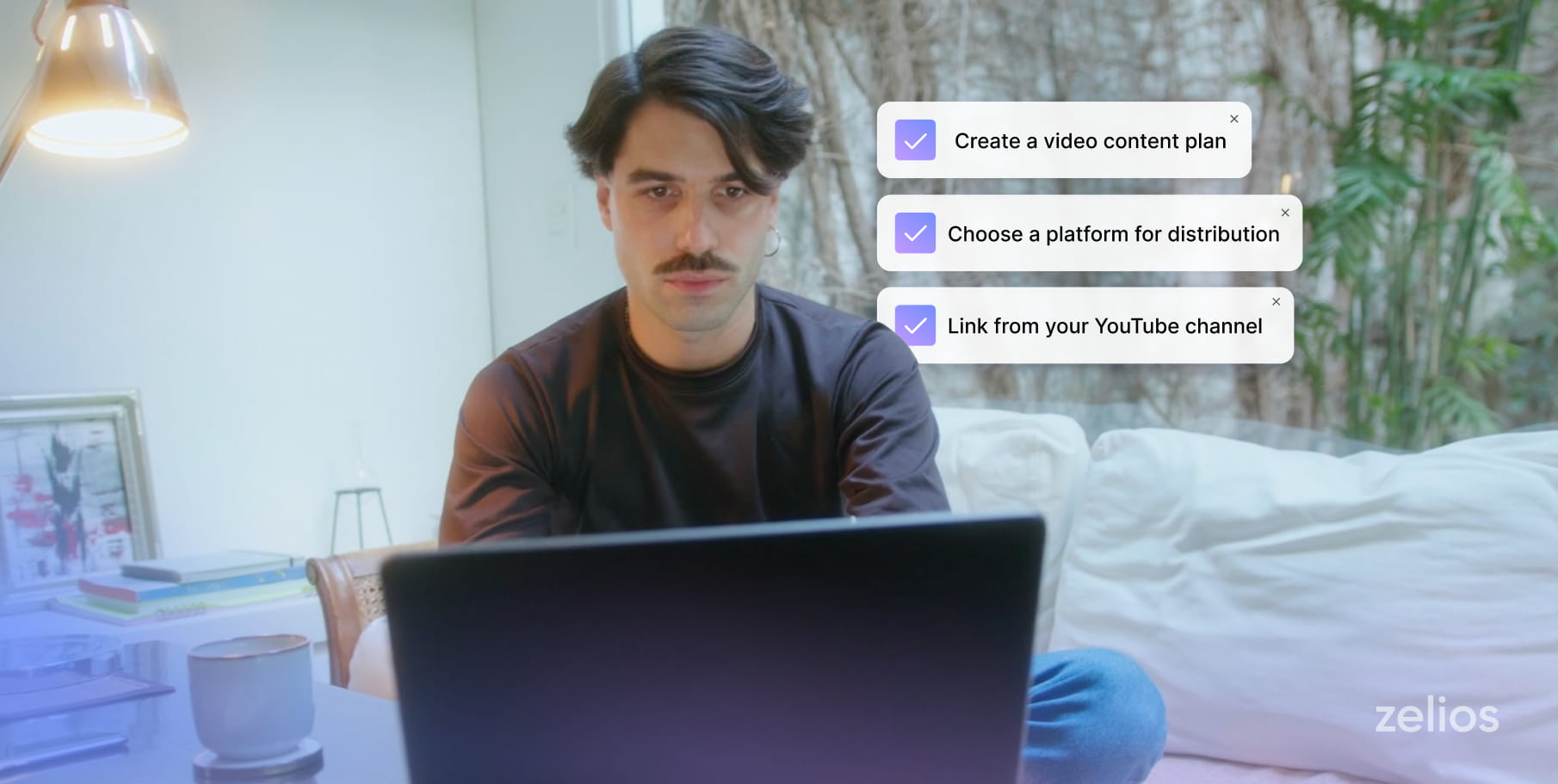
Let’s imagine you run a marketing department. So, you already know how hard it is to sign off anything with Peter from Legal – and now, you have to approve multiple stages of video production for your corporate video with Peter, and even Sandra from Sales, as they will be the ones who will end up using the video.
And you have to keep in mind that your CEO Bob might chime in for a quick revision or ten.
Each team is looking to steer the proverbial video production ship in their own direction.
Each has their own strategy, KPIs, ROIs and whatnots.
And each is sending conflicting signals, which can effectively stop the video dead in its tracks.
Yikes.
You heard us – coordinating multiple stakeholders is one of the biggest corporate video production challenges.
How to handle it:
You would think: we need to create the whole video, and then we’ll be good with approving the final cut with everybody.
But there’s one important catch (apart from other problems):
Usually, it takes 4 – 5 weeks to create a single video from start to finish. That means that it will take more than a full month before you will be getting anybody else involved.
From our experience here at Zelios, the earlier you involve the key players and get them onboard, the better.
Especially if key divisions like HR, Legal and Sales are involved. We start off with scripting, which should be approved with stakeholders, to resonate better with the viewership, and make sure everything is according to the established marketing and legal practices.
Only then, we will approve the whole design for the video, based on the previously approved script.
You can now see why we’ve involved the teams this early – as every video production stage builds upon the previous ones, and the project develops steadily with regular quality check-ins.
Apart from saving a full month by not delivering a fully animated video that doesn’t work, and most likely wouldn’t get approved, we are also improving the overall quality of the video, every step of the way.
2. Keeping Consistency Over Several Video Files
Sometimes having distinct videos, with their own visual style and flavour is a great thing – but when it comes to corporate video production, having drastically different videos just doesn’t work.
Of course, there are always different departments and use cases, like videos for internal communications, marketing or training videos – but through all of them, there should be a tangible thing which connects them all – the Brand, its look and feel.
Sometimes, throwing too many things and seeing what sticks just doesn’t work, and you end up with a mish mash of different styles, and inconsistent animation quality – and the videos don’t end up hitting the mark.
How to handle it:
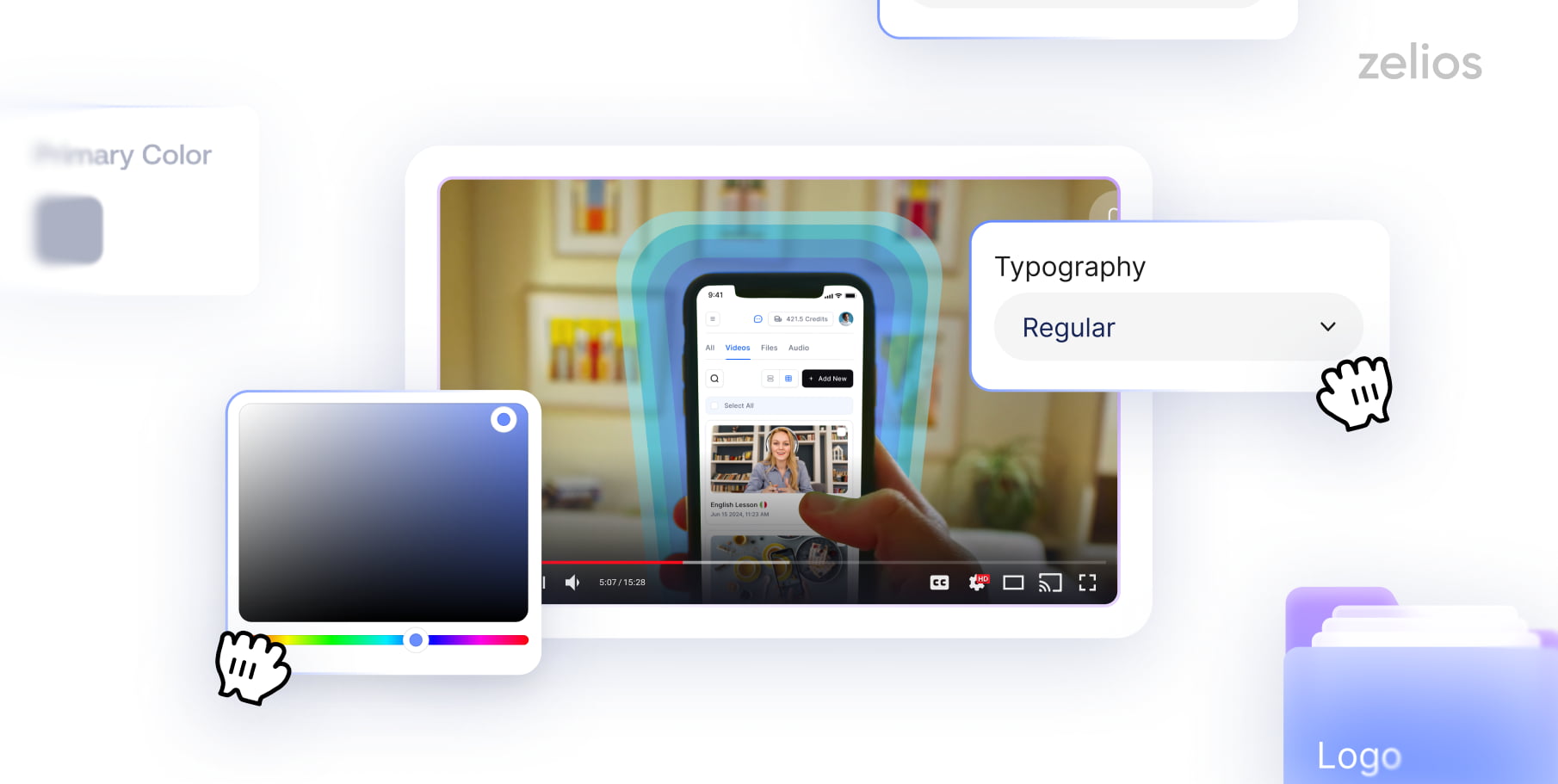
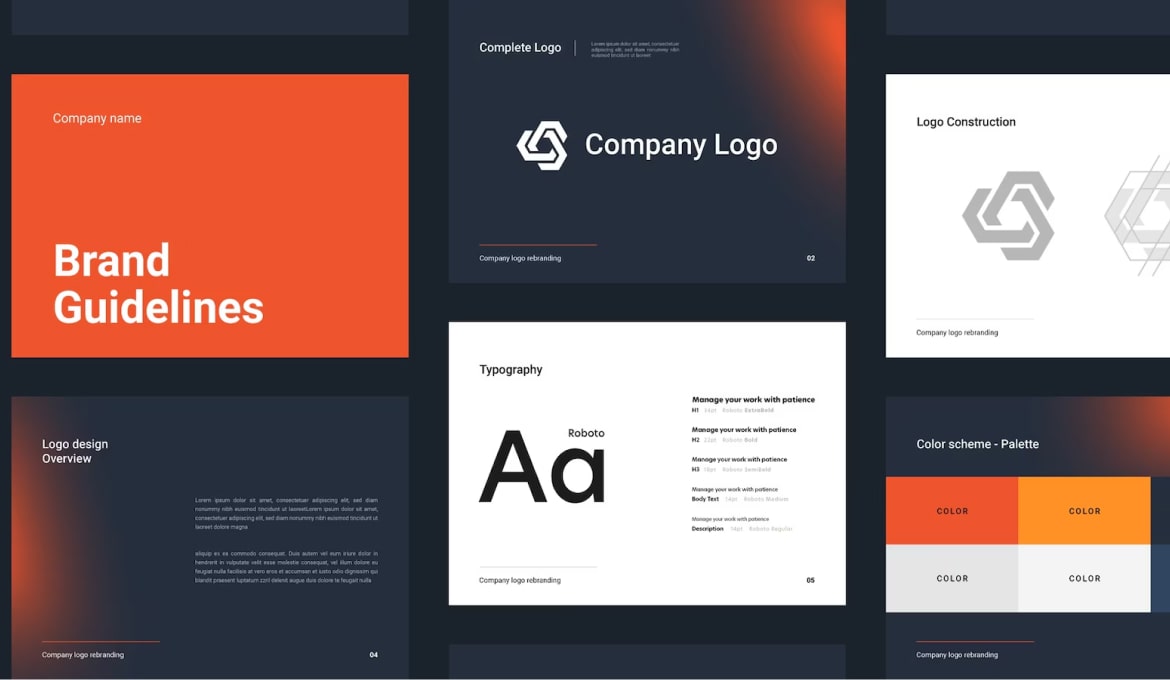
As with every other asset, it’s important to have and use established brand rules, covering everything starting from the animation styles and approaches, down to the colours, and in some cases, even for the voice over part.
This way you can guarantee consistent look and feel, even if you will be working with different vendors, or different video formats.
Usually brands have brand guidelines, but it’s always up to the design team to keep up with them and request any necessary assets for production.
Here at Zelios, we usually send out a “laundry list” of everything we need: the brand assets and guidelines, do’s and don’ts when it comes to production, along with other things.
Our goal here is to receive everything we might need for our research, and to keep all of the assets we create on brand and on point.
3. Handling Complex Animation Details
One of the primary use cases for corporate videos is to convey a flair of professionalism and build trust. In part, that’s done when you throw in high quality animation into the mix, with complex scenes combined with intricate details, sometimes including and combined with stock footage or some live action elements.
All of this puts an additional strain on the production – and requires solid coordination at every stage.
How to handle it:
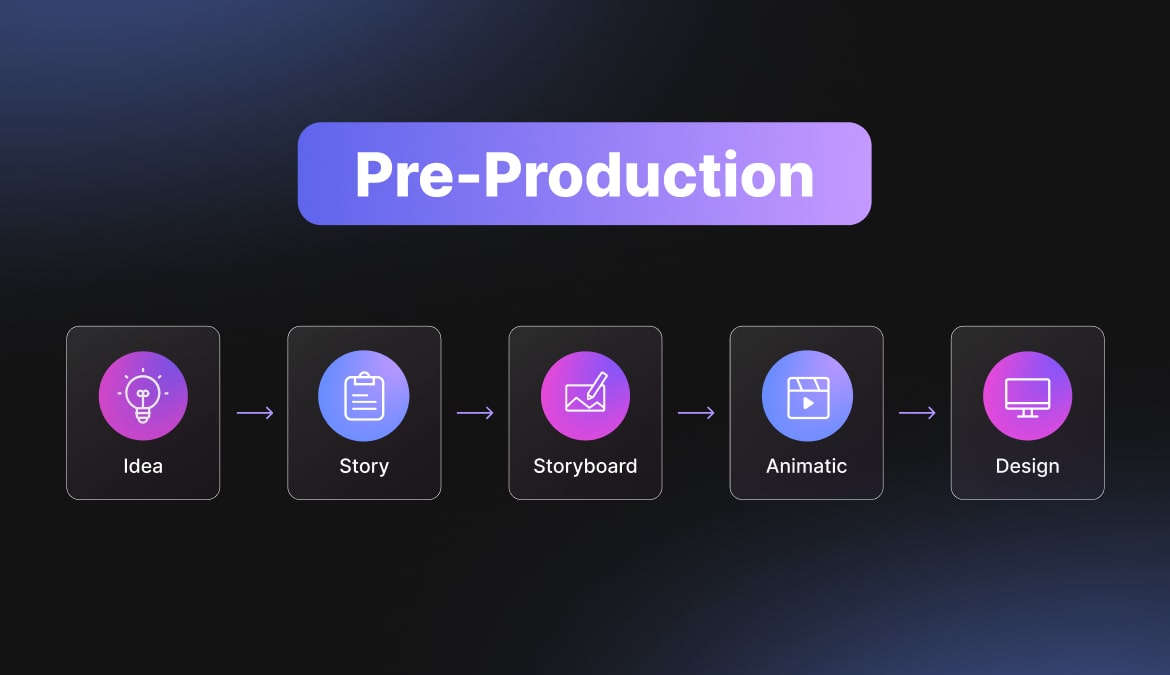
Never-ever skip pre-production – as changing something during the later stages might be 10 times harder, and moreover, might take 10 times longer.
How would you do that?
Make sure that you have a solid pre-production process in place, which doesn’t hop over important planning, and doesn’t skip right into design and animation phases.
Here at Zelios, we polish the script, before we even touch a single frame of the design that’s going to be used in the animation.
4. Ensuring High-Quality Animation
We’ve already touched on how important it is to keep the branding intact.
Now another thing that makes you say “this content is premium” – is when you see crisp and smooth animations.
This requires a skilled team, that can turn the most reserved corporate branded design, into a piece of animated art.
How to handle it:
It’s really important to work with a team that has experience with corporate video production in the style you prefer, but also has other animations to guarantee a strong toolkit for premium animation look and feel.
Video production mistakes are also a dime a dozen, but thorough quality assurance makes sure you never even see any of them in the final deliverable.
For example, compare this Supahub video, with its premium quality, unique design, custom illustrations, script, and visual effects:
 Supahub video:
 To a typical stock template video that lacks any soul:
Stock template video: Premium animation isn’t just about the visuals—it’s about storytelling that feels alive and on-brand.

Here at Zelios we have in-house rules for our animation and design team, and a philosophy of how we approach corporate video production.
It’s easy to go bland and safe when you create corporate videos, but we always try to find room for creativity and innovation, even within the limitations of an established and renowned brand.
5. Tackling Those Revision Cycles
Revisions.

One word that can bring terror to anyone who worked in the creative field, no matter how many years they’ve been in the business.
As mentioned in our previous sections, when multiple stakeholders are involved, opinions and priorities clash which takes form in a lot of revisions and extra additions.
It’s especially tough when the animation team receives last minute changes to the script and design, and the animation process is already underway, preparing the video draft.
How to handle it:
Keeping everybody on board with the revision schedule, and as mentioned before, involving everyone as early as possible.
Additionally, specifying timeframes for receiving revisions is always important, as that makes sure that nobody is waiting for just one person to leave and finalize their feedback.
Here at Zelios, we mention from the start, that delay with the feedback will cause delays with the timeline, as we can’t proceed with updates or next stages, until we approve the previous one.
This is the same with revisions to the previously approved stages – it is explicitly specified that this will lead to delays or extra charges (unless you have opted in for unlimited revisions).
6. Tweaking Animated Videos for Various Platforms
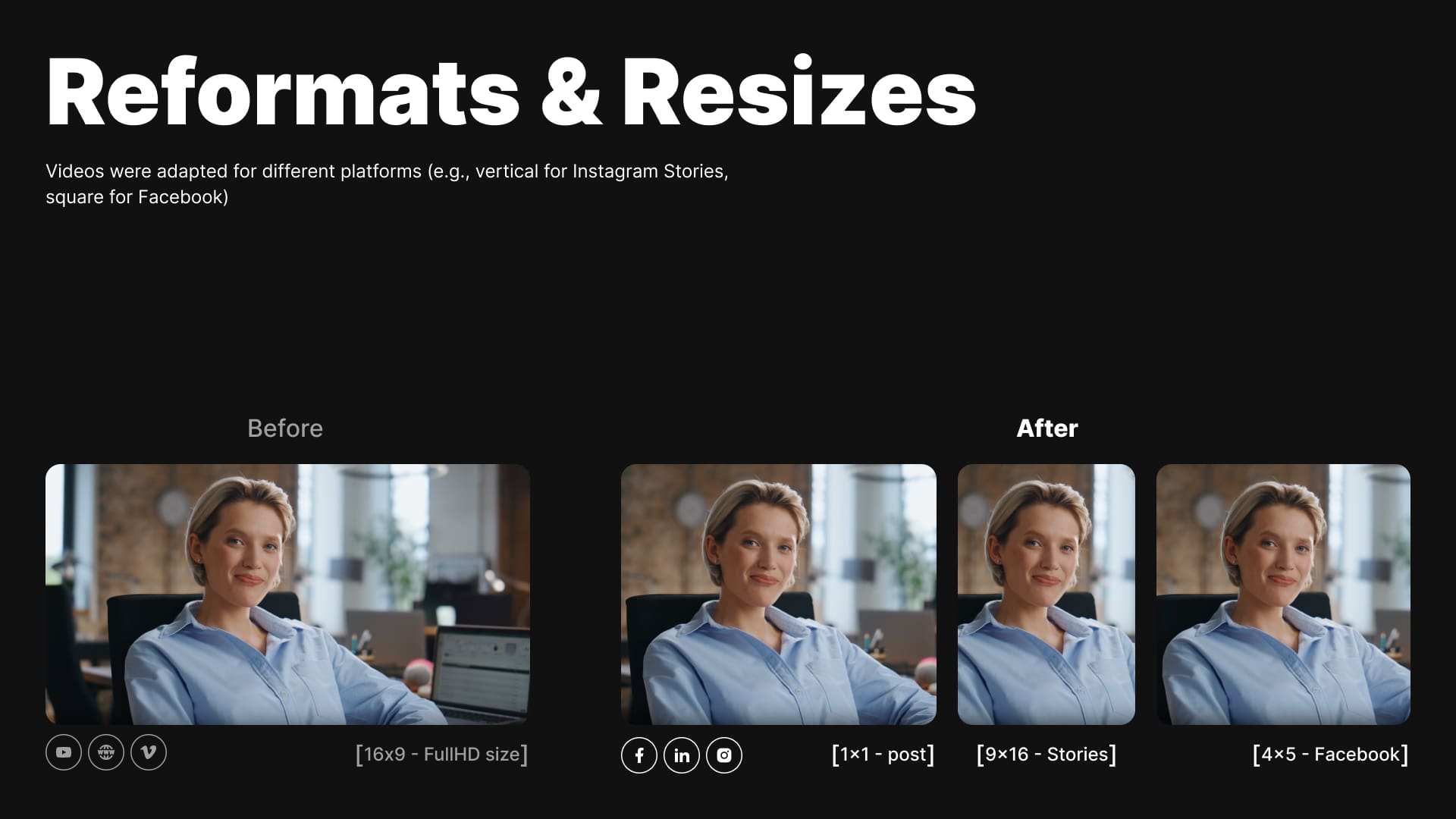
One important thing is that you should always make sure your video has the option to work well across multiple platforms and formats, as that helps with the distribution strategy further down the line.
That way, your prospects will see across their time scrolling social media, watching content on Youtube, or when your salespeople and customer success send out their emails.
Sometimes, this can be overlooked, and then when it’s time to deliver the final video, everybody figures out that there’s a need for other resolutions (like 9:16, vertical phone format) or cutdowns and shortened video versions.
How to handle it:
When you are looking into creating a video, think of it as a series of assets that will help you improve your reach.
And to increase that reach, you might look into creating assets that will have multiple use cases and benefit every stage of your marketing and sales funnels.
That’s where the multi-platform distribution strategy comes into play.
Even before you start working on a production of a single video, you might look into creating different variations of the hero assets.
Sure, you’ll spend a bit more of your budget, but the returns on that investment and improved reach will benefit you big time.
At Zelios, we offer packages that focus on improving the reach of your video assets, and not just create a video to sit on your website with near to zero views.
Bonus insight
Changing from one vendor to the other is a huge headache, since the amount of research, paperwork and onboarding is huge.
Moreover, there’s no telling how different teams will approach your branding, and if they will be able to consistently put out the high quality animation you require, across different formats.
It’s best to have one, solid vendor who can fulfill all the necessary formats, such as Explainer, Brand Videos, Demo, How To and Brand awareness videos – all in one place.
And maybe, that might be just enough to avoid most (if not all) of the challenges in corporate video production.
Conclusion
Animated corporate videos are extremely versatile when it comes to getting your message across different platforms.
But there is definitely a set of challenges faced when producing video that really shines.
From integrating feedback across different stakeholders, to juggling creativity with branding and drowning in sea of revisions – all of these can derail the production.
At Zelios, we offer full production and a clear process for delivering corporate videos. If you are looking for high-quality, on brand videos – we are your go to partner.
Select the video type that aligns with your marketing objectives, and receive an immediate high-level estimate of the production cost.