


A call to action is actively used in marketing and is a vital tool for increasing the profitability of standalone advertising campaigns and enhancing business activities in general.
CTA (call to action) is a marketing tool that encourages customers to make a specific effort: subscribe to a newsletter, watch a video, or pay for an order.
CTA can be a text call, button, icon, pop-up window, or banner. These elements are present on websites, mobile apps, banners, marketing campaigns on social media, etc.
Here are some examples of call-to-actions:
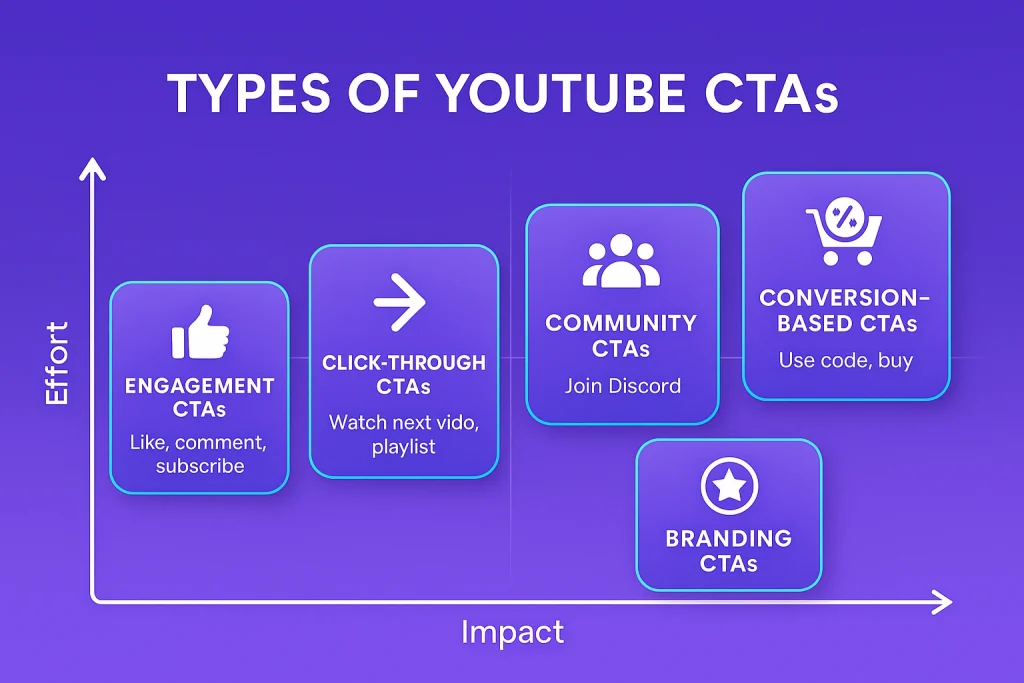
How CTA Works in Practice
A call to action in sales includes direct instructions to users on what they should do after seeing your advert or content.
- Soft CTAs do not offer customers to buy products but let them acquaint themselves with them or the company. Soft CTA examples include calls to get demo access to the service, subscribe to a newsletter, or download a presentation.
- Hard CTAs are calls to buy a product. To increase conversion, they often make a profitable offer with some limitations. They may give a discount available for a short period.
Clear calls to action (CTAs) can boost conversion rates by up to 161% and increase revenue by 83%. — Sender
Never Overload Users
Calls to action are not about imposing products and services on users. They are, rather, about user care, which positively affects business profits. You provide the shortest, easiest, and most convenient journey for potential customers and save their time.
You can place a CTA almost anywhere on your website. It would be better to use several distinct calls to action located on different pages and in various page sections.
