


Conversion is a particular action the website owner wants from its visitors. A conversion rate is the percentage ratio between the total number of website visitors and the targeted actions performed by them. Let us make a brief definition of this process.
Conversion rate optimization (CRO) is the work aimed at increasing the number of website visitors who take a definite action: place an order, subscribe to services, or perform other targeted actions.
Conversion rate optimization involves analyzing visitors’ interaction with your website, what steps those users take, and what prevents them from achieving their objectives. This means you have to understand what your customers are looking for and provide it to them in a convenient and simple form.
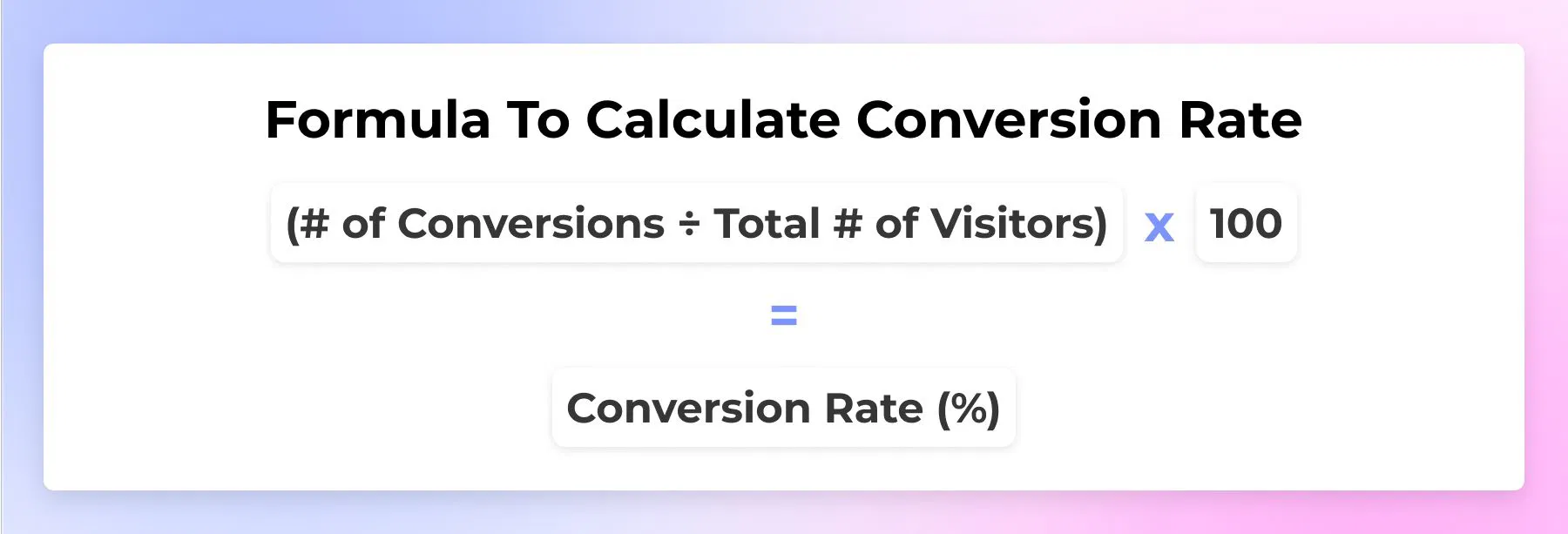
Why conversion optimization is important
You can benefit from such measures by receiving more sales, leads, or page views from available traffic.
In the digital world, an efficient conversion rate optimization strategy is key to success. It can help you receive more sales without increasing your marketing budget. In other words, having performed this optimization, you can do more with what you already have.
At a strategic level, conversion rate optimization (CRO) is a continuous process performed as part of ongoing work on your website.
Common Conversion Rate Optimization Techniques
Practitioners draw on a wide toolkit depending on where friction occurs in the user journey:
- A/B Testing — The most widely used CRO method. Two versions of a page, element, or flow are shown to separate audience segments simultaneously, and performance is measured against a defined goal.
- Landing Page Optimization — Aligning the headline, copy, imagery, and call-to-action on a landing page with the specific intent of the traffic source that drove the visitor there. A visitor arriving from a paid ad for “project management software” should land on a page that mirrors that exact promise.
- CTA Optimization — Testing the wording, placement, size, color, and surrounding context of calls-to-action. Small changes here can meaningfully shift click-through rates.
- Form Simplification — Reducing the number of fields in sign-up or checkout forms. Every additional required field introduces friction and increases abandonment.
- Social Proof Integration — Adding testimonials, client logos, review scores, or case study results near decision points to reduce perceived risk and build trust at the moment of conversion.
- Page Speed Improvement — Slow load times directly increase bounce rates and suppress conversion. CRO audits routinely include a technical performance review.
- Heatmap and Session Recording Analysis — Visual tools that reveal where users click, scroll, and abandon a page, surfacing usability issues that analytics data alone cannot explain.
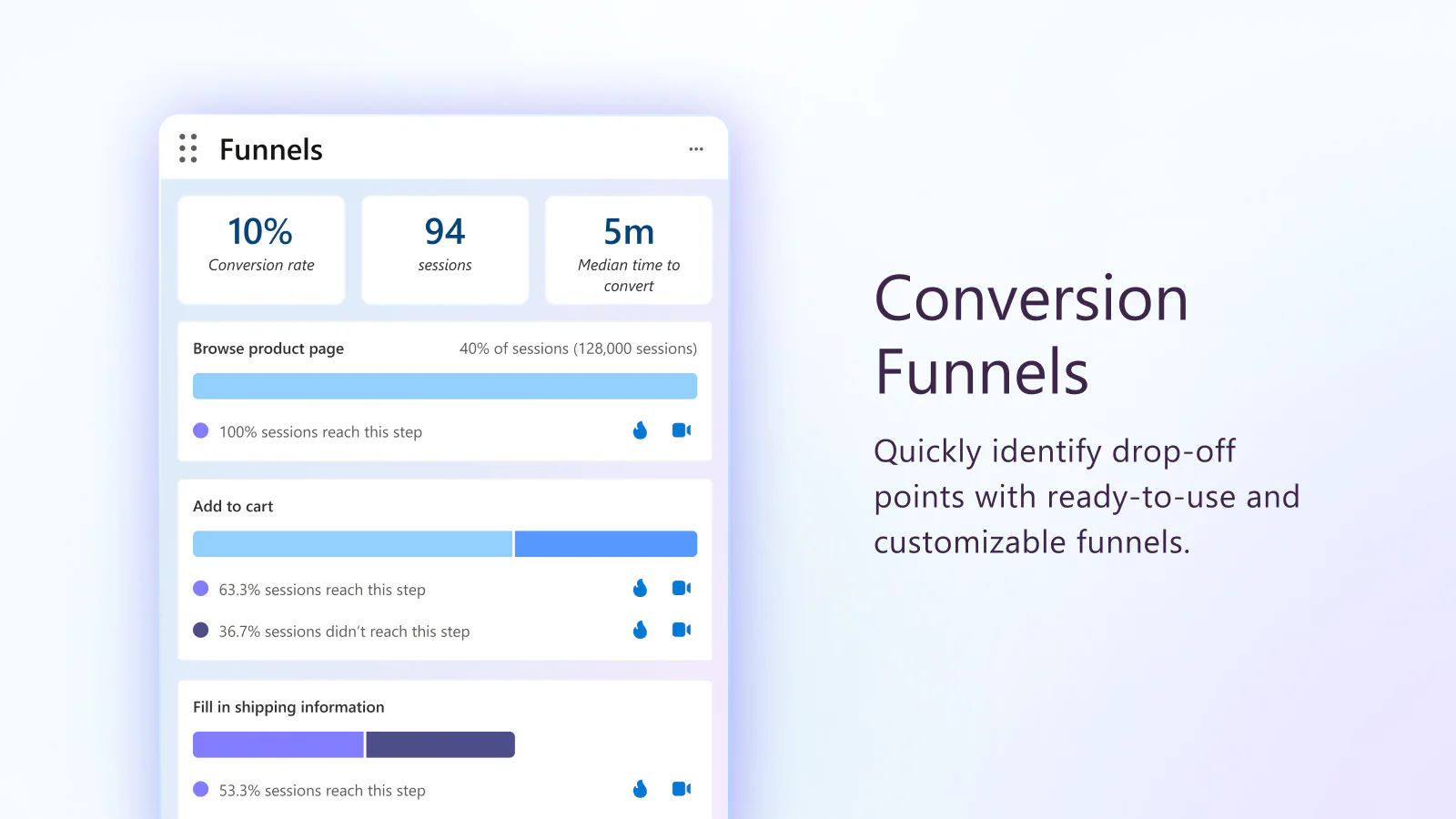
Video’s Role in CRO
Video is one of the most consistently effective tools in a CRO practitioner’s toolkit because it addresses the two root causes of non-conversion: lack of understanding and lack of trust.
- Reducing cognitive load — Explainer videos and product demos allow visitors to grasp a value proposition in 60–90 seconds that written copy might take five minutes to communicate — if it communicates it at all. When understanding is faster, hesitation is lower.
- Building trust at scale — Testimonial and case study videos give prospective customers access to the social proof of a real peer, which is more persuasive than text quotes. Seeing and hearing a customer describe a result carries far more credibility than reading a pull-quote.
- Increasing time on page — Visitors who engage with video spend significantly longer on a page, which gives messaging more time to build intent before a CTA is presented.
- Improving paid traffic efficiency — When video is present on a landing page, it typically lifts quality score signals (engagement, low bounce rate) that affect ad platform performance, meaning the same ad budget reaches more qualified traffic.
For e-commerce and SaaS businesses in particular, placing a well-crafted product or explainer video directly above or near the primary CTA is one of the highest-ROI CRO interventions available.
Select the video type that aligns with your marketing objectives, and receive an immediate high-level estimate of the production cost.
